
As the global energy landscape continues to shift toward sustainability, hydrogen has emerged as a key pillar in the transition to clean energy. In 2025, hydrogen production technologies are evolving rapidly, driven by the urgent need to reduce carbon emissions, strengthen energy security, and support growing renewable energy capacity. Governments, research institutions, and private companies are investing heavily in advanced methods of producing hydrogen that are cleaner, more efficient, and increasingly cost-effective. Understanding the latest hydrogen production technologies in 2025 provides valuable insight into how the future of energy is being shaped today.
The Growing Importance of Hydrogen Production
Hydrogen is widely recognized as a versatile energy carrier that can support electricity generation, transportation, and industrial processes. However, the environmental impact of hydrogen depends heavily on how it is produced. Traditional methods relying on fossil fuels generate significant carbon emissions, which limits hydrogen’s role in achieving climate goals. As a result, innovation in hydrogen production technologies has become a global priority.
In 2025, the focus is firmly on reducing emissions, improving efficiency, and scaling production. Advances in technology are making it possible to produce hydrogen using renewable energy, waste materials, and innovative chemical processes. These developments are accelerating the transition from carbon-intensive hydrogen to cleaner alternatives that align with global decarbonization targets.
Advanced Electrolysis Technologies
Electrolysis remains one of the most promising methods for producing clean hydrogen, and in 2025, this technology has seen significant improvements. Electrolysis uses electricity to split water into hydrogen and oxygen, and when powered by renewable energy, it produces green hydrogen with zero direct emissions.
Modern electrolyzers are now more efficient, durable, and adaptable to fluctuating renewable power supply. Advances in materials and system design have reduced energy losses and extended operational lifespans. Solid oxide electrolysis cells, for example, operate at high temperatures and can achieve greater efficiency by utilizing waste heat from industrial processes. These improvements are making electrolysis a more viable option for large-scale hydrogen production.
Green Hydrogen from Renewable Energy Integration
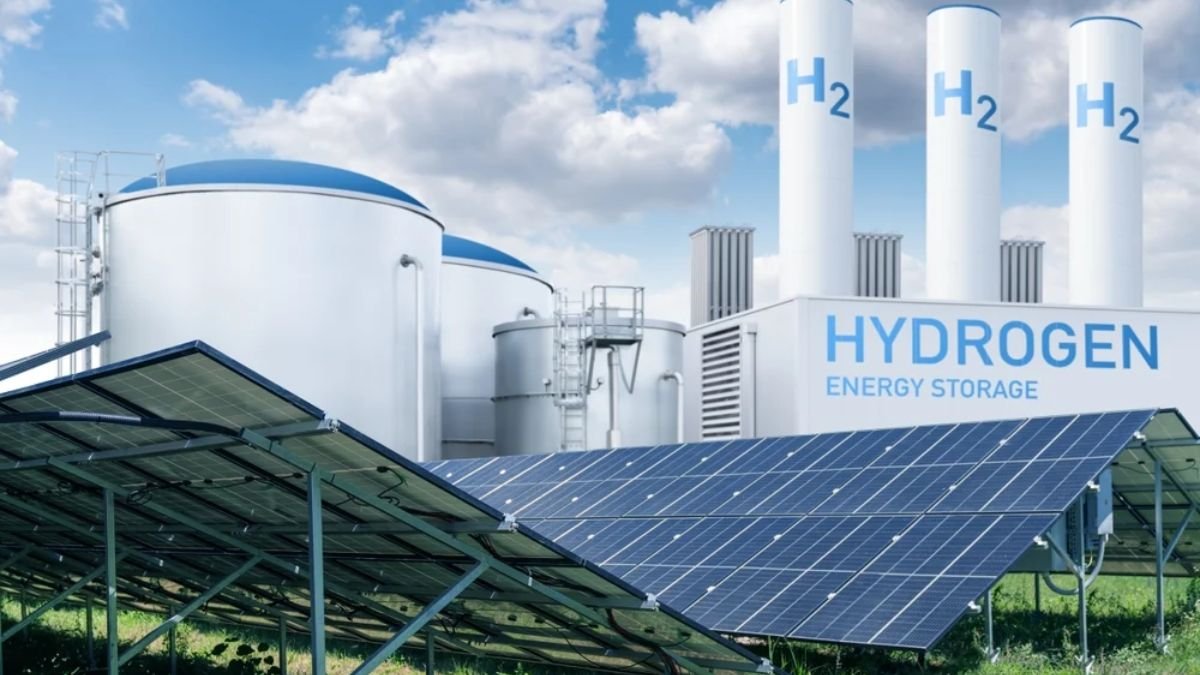
One of the most important trends in 2025 is the deeper integration of hydrogen production with renewable energy systems. Solar and wind farms increasingly pair with electrolyzers to convert excess electricity into hydrogen. This approach not only prevents renewable energy waste but also creates a flexible energy storage solution.
By producing hydrogen during periods of high renewable output, energy providers can store power for later use in electricity generation, transportation, or industrial applications. This integration enhances grid stability and supports the expansion of renewable energy capacity. In 2025, several large-scale projects demonstrate how renewable-powered hydrogen production can operate efficiently and reliably.
Blue Hydrogen with Carbon Capture Improvements
While green hydrogen is the ultimate goal, blue hydrogen continues to play a transitional role in 2025. Blue hydrogen is produced from natural gas using steam methane reforming, combined with carbon capture and storage technologies to reduce emissions. Recent advances in carbon capture efficiency have significantly lowered the carbon footprint of this process.
Improved capture methods now trap a higher percentage of carbon dioxide before it is released into the atmosphere. In some facilities, captured carbon is reused in industrial applications, further reducing environmental impact. Although blue hydrogen is not entirely carbon-free, technological improvements in 2025 make it a cleaner alternative to traditional fossil fuel-based hydrogen production.
Biomass and Waste-Based Hydrogen Production
Hydrogen production from biomass and waste materials has gained attention in 2025 as a sustainable and circular solution. This method involves converting organic waste, agricultural residues, or municipal solid waste into hydrogen through processes such as gasification and pyrolysis. By using waste as a feedstock, this technology reduces landfill use while generating clean energy.
Advancements in reactor design and process optimization have improved efficiency and reduced emissions associated with biomass-based hydrogen production. In addition to producing hydrogen, these systems can generate valuable byproducts such as biochar, which can be used to enhance soil health or capture carbon. This approach aligns well with circular economy principles and offers a promising pathway for sustainable hydrogen production.
Methane Pyrolysis and Low-Carbon Hydrogen
Methane pyrolysis is another emerging hydrogen production technology gaining momentum in 2025. This process involves heating methane in the absence of oxygen, producing hydrogen and solid carbon instead of carbon dioxide. The solid carbon byproduct can be stored or used in industrial applications, reducing greenhouse gas emissions.
Technological breakthroughs in reactor design and temperature control have improved the scalability and efficiency of methane pyrolysis. While the technology is still developing, it holds potential as a low-carbon hydrogen production method, particularly when combined with renewable energy sources for heating. Methane pyrolysis offers a promising alternative for regions with abundant natural gas resources seeking lower-emission solutions.
Artificial Intelligence and Digital Optimization
In 2025, digital technologies play a crucial role in advancing hydrogen production. Artificial intelligence and data analytics are increasingly used to optimize production processes, predict maintenance needs, and improve overall efficiency. By analyzing large datasets, AI systems can adjust operating conditions in real time to maximize hydrogen output while minimizing energy consumption.
Digital twins, which create virtual models of hydrogen production facilities, allow operators to test scenarios and identify performance improvements without disrupting operations. These tools reduce costs, improve reliability, and accelerate innovation across hydrogen production technologies. The integration of AI represents a significant step forward in making hydrogen production smarter and more sustainable.
Scaling Up Hydrogen Production Infrastructure
One of the defining trends in 2025 is the shift from pilot projects to large-scale hydrogen production facilities. Governments and energy companies are investing in infrastructure that supports mass production, storage, and transportation of hydrogen. This includes pipelines, storage tanks, and export terminals designed specifically for hydrogen.
Scaling up production is essential to reducing costs through economies of scale. As more facilities come online, hydrogen becomes increasingly competitive with conventional fuels. The expansion of infrastructure also supports the growth of hydrogen-powered transportation and industrial applications, creating a complete hydrogen ecosystem.
Challenges and Opportunities Ahead
Despite significant progress, hydrogen production technologies still face challenges in 2025. High upfront costs, regulatory complexity, and infrastructure limitations remain barriers to widespread adoption. However, ongoing research, supportive policies, and international collaboration are addressing these issues.
The opportunities are substantial. Continued innovation is expected to further reduce costs, improve efficiency, and expand the range of applications for hydrogen. As production technologies mature, hydrogen will play an increasingly central role in global energy systems, supporting climate goals and economic development.
Conclusion
The latest hydrogen production technologies in 2025 reflect a dynamic and rapidly evolving energy sector. Advances in electrolysis, renewable integration, carbon capture, biomass conversion, and digital optimization are transforming how hydrogen is produced. These innovations are making hydrogen cleaner, more efficient, and more accessible than ever before.
As the world accelerates its transition to sustainable energy, hydrogen production technologies will remain at the forefront of innovation. The progress seen in 2025 demonstrates that hydrogen is no longer a distant promise but a practical solution shaping the future of clean energy. By continuing to invest in technology and infrastructure, societies can unlock hydrogen’s full potential and move closer to a low-carbon, resilient energy future.
