
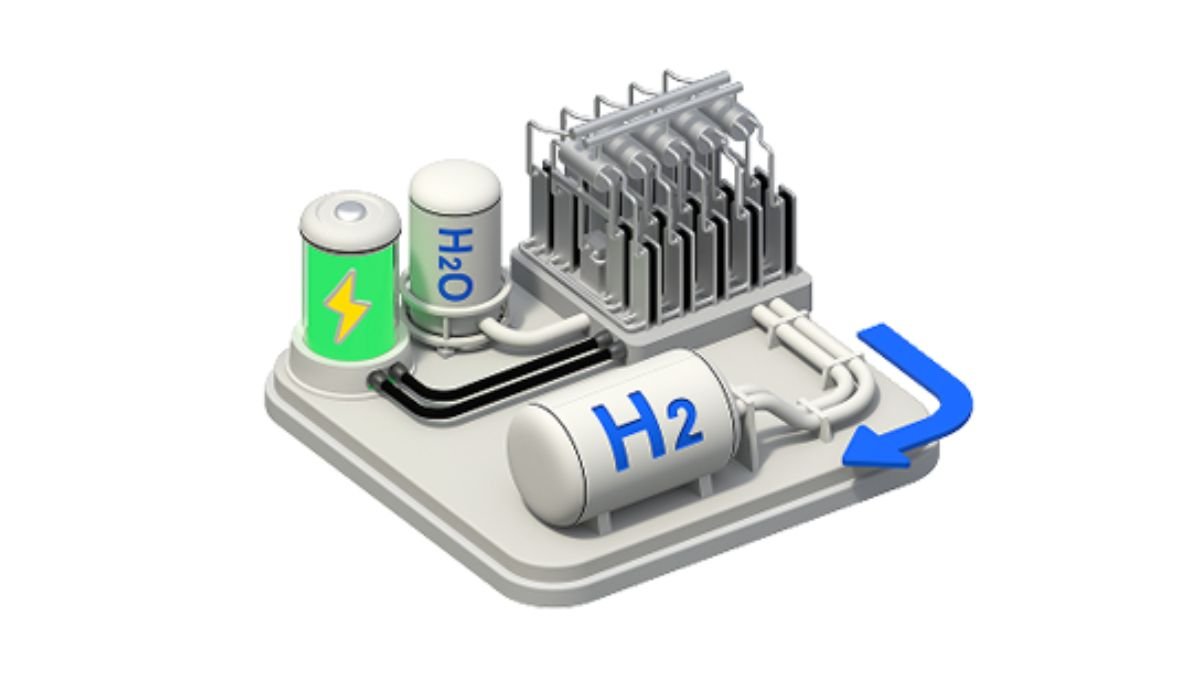
As the world searches for cleaner and more sustainable energy solutions, hydrogen has emerged as a powerful option for reducing carbon emissions. At the heart of clean hydrogen production lies electrolysis technology, a process that uses electricity to split water into hydrogen and oxygen. While electrolysis has existed for over a century, recent innovations are transforming it into a key pillar of the global clean energy transition. These advances are making hydrogen production more efficient, affordable, and scalable, bringing the vision of a hydrogen-powered future closer to reality.
Hydrogen electrolysis is no longer just a laboratory concept. It is rapidly becoming a commercial technology supported by governments, industries, and energy providers worldwide. Understanding the latest innovations in this field helps explain why electrolysis is gaining momentum and how it can support long-term sustainability goals.
Understanding Hydrogen Electrolysis in Simple Terms
Electrolysis is a straightforward concept at its core. Electricity is passed through water, causing it to break apart into hydrogen and oxygen molecules. When the electricity comes from renewable sources such as wind or solar power, the hydrogen produced is known as green hydrogen, a fuel that generates no carbon emissions when used.
The challenge with electrolysis has always been efficiency and cost. Traditional systems required large amounts of electricity and expensive materials, limiting their widespread use. Recent innovations are addressing these issues, making electrolysis a more practical and attractive option for clean energy production.
Why Innovation in Electrolysis Matters
Innovation in hydrogen electrolysis technology is essential because it directly impacts the cost and availability of green hydrogen. The more efficient and durable electrolysis systems become, the less electricity they require and the longer they last. This reduces production costs and makes green hydrogen competitive with fossil fuels.
Electrolysis innovation also supports energy system flexibility. It allows excess renewable electricity to be converted into hydrogen, which can be stored and used later. This capability is crucial for managing renewable energy variability and building resilient energy systems.
Advances in Alkaline Electrolysis Technology
Alkaline electrolysis is one of the oldest and most widely used electrolysis methods. It relies on a liquid alkaline solution to conduct electricity between electrodes. Historically, alkaline systems were reliable but limited in efficiency and responsiveness.
Recent innovations have improved electrode materials, system design, and operational flexibility. Modern alkaline electrolyzers can operate at higher pressures and respond more quickly to changes in electricity supply. These improvements make them better suited for integration with renewable energy sources, especially in large-scale hydrogen production facilities.
Innovations in Proton Exchange Membrane Electrolysis
Proton exchange membrane electrolysis, often called PEM electrolysis, has seen rapid technological progress in recent years. PEM systems use a solid polymer membrane that allows protons to pass through while blocking gases. This design enables faster response times and higher efficiency compared to traditional systems.
Innovations in catalyst materials and membrane durability have significantly improved PEM electrolyzers. Researchers are working to reduce the use of expensive precious metals while maintaining performance. As a result, PEM electrolysis is becoming a preferred option for applications that require flexible operation and compact system design.
Solid Oxide Electrolysis and High-Temperature Innovation
Solid oxide electrolysis represents a newer and highly promising approach. These systems operate at high temperatures, allowing part of the energy required for electrolysis to come from heat rather than electricity. This can greatly improve overall efficiency, especially when waste heat from industrial processes is available.
Innovations in ceramic materials and system stability are helping solid oxide electrolyzers move closer to commercial viability. Although challenges remain, high-temperature electrolysis has the potential to play a major role in industrial hydrogen production and long-term decarbonization efforts.
Improving Efficiency Through Advanced Materials
Materials science is driving many of the most important innovations in hydrogen electrolysis technology. New electrode coatings, improved membranes, and corrosion-resistant components are extending system lifetimes and increasing efficiency.
Researchers are exploring alternatives to rare and costly materials, aiming to reduce dependence on limited resources. These material innovations not only lower costs but also improve sustainability, making electrolysis more suitable for large-scale deployment.
Digitalization and Smart Electrolysis Systems
Digital technologies are transforming electrolysis systems into smarter and more adaptable solutions. Advanced sensors, data analytics, and artificial intelligence are being used to monitor system performance in real time. These tools help optimize energy use, predict maintenance needs, and extend equipment life.
Smart electrolysis systems can adjust their operation based on electricity prices and renewable energy availability. This flexibility allows hydrogen production to align with clean energy supply, reducing costs and supporting grid stability.
Scaling Up Electrolysis for Industrial Use
One of the most significant innovations in recent years is the scaling up of electrolysis systems. Modular designs now allow electrolyzers to be combined into large plants capable of producing vast amounts of hydrogen.
These large-scale systems are essential for decarbonizing industries such as steel, chemicals, and refining. Innovations in system integration and manufacturing processes are helping reduce installation costs and accelerate deployment.
Role of Electrolysis in Renewable Energy Integration
Electrolysis plays a critical role in connecting renewable energy with end users. By converting excess renewable electricity into hydrogen, electrolysis prevents energy waste and provides a storage solution that batteries alone cannot offer.
Innovations in system responsiveness and durability allow electrolyzers to operate efficiently even with fluctuating power inputs. This makes them ideal partners for wind and solar energy, supporting a more balanced and reliable clean energy grid.
Economic Impact of Electrolysis Innovation
As electrolysis technology improves, its economic impact becomes more significant. Lower production costs make green hydrogen accessible to more industries and regions. This supports job creation, investment, and the growth of new energy markets.
Countries investing in electrolysis innovation are positioning themselves as leaders in the future hydrogen economy. This competitive advantage can strengthen energy security and support long-term economic development.
Challenges That Still Need Solutions
Despite rapid progress, challenges remain in hydrogen electrolysis technology. High upfront costs, infrastructure limitations, and the need for massive renewable energy capacity continue to pose barriers. Electrolysis systems must also compete with established fossil fuel-based hydrogen production methods.
Ongoing research, supportive policies, and international collaboration are essential to overcome these challenges. Innovation is a continuous process, and each advancement brings electrolysis closer to widespread adoption.
The Role of Policy and Research Support
Government policies and research funding are critical drivers of innovation in electrolysis technology. Incentives, grants, and public-private partnerships accelerate development and reduce financial risks.
Clear regulatory frameworks and long-term climate targets provide confidence for investors and manufacturers. This supportive environment helps move electrolysis technology from pilot projects to mainstream energy systems.
Future Outlook for Hydrogen Electrolysis Technology
The future of hydrogen electrolysis technology is promising. Continued innovation is expected to improve efficiency, reduce costs, and expand applications. As renewable energy capacity grows worldwide, electrolysis will become an increasingly important tool for producing clean hydrogen.
Advances in materials, system design, and digital control will shape the next generation of electrolyzers. These innovations will help hydrogen play a central role in achieving global climate and sustainability goals.
Conclusion
Innovations in hydrogen electrolysis technology are transforming how clean hydrogen is produced and used. From advanced materials and smarter systems to scalable designs and renewable integration, these developments are making electrolysis a cornerstone of the clean energy transition.
As the world moves toward lower carbon emissions and sustainable energy systems, hydrogen electrolysis stands out as a solution with immense potential. Continued innovation will ensure that this technology supports a cleaner, more resilient, and more sustainable future for generations to come.
