
Hydrogen is often described as the fuel of the future. It is clean, abundant, and when used as an energy source, it produces only water as a byproduct. However, while hydrogen has enormous potential to support a low-carbon world, one of its biggest challenges lies in how it is stored. For beginners, hydrogen storage can seem complex and technical, but once broken down into simple ideas, it becomes much easier to understand. This article explains hydrogen storage methods in a clear, practical, and beginner-friendly way, helping you understand why storage matters and how different techniques are shaping the future of clean energy.
Why Hydrogen Storage Is Important
Hydrogen is the lightest element in the universe, which makes it both useful and difficult to handle. Unlike fossil fuels such as coal or oil, hydrogen does not naturally exist in a ready-to-use form on Earth. Once produced, it must be stored safely until it is needed for transportation, electricity generation, or industrial use. Without effective storage methods, hydrogen cannot be transported over long distances or used reliably in daily energy systems.
Another reason storage matters is energy balance. Renewable energy sources like solar and wind are not available all the time. Hydrogen can act as a bridge between energy production and energy use. Excess electricity generated on sunny or windy days can be used to produce hydrogen, which is then stored and later converted back into energy when demand is high. This makes hydrogen storage a key solution for stabilizing future clean energy grids.
Understanding the Basic Challenge of Storing Hydrogen
Storing hydrogen is not as simple as storing gasoline in a tank. Hydrogen has a very low density, meaning it takes up a lot of space unless it is compressed or transformed. It is also highly flammable, which requires strict safety measures. These characteristics mean that hydrogen storage systems must balance three critical factors: safety, efficiency, and cost.
Scientists and engineers have spent decades developing storage methods that make hydrogen practical for everyday use. Today, several storage techniques are already in use, while others are still being researched and improved. Each method has its strengths and limitations, and no single solution works perfectly for all applications.
Compressed Hydrogen Storage Explained
Compressed hydrogen storage is the most common and easiest method to understand for beginners. In this approach, hydrogen gas is stored under very high pressure in specially designed tanks. By compressing the gas, a larger amount of hydrogen can be stored in a smaller space.
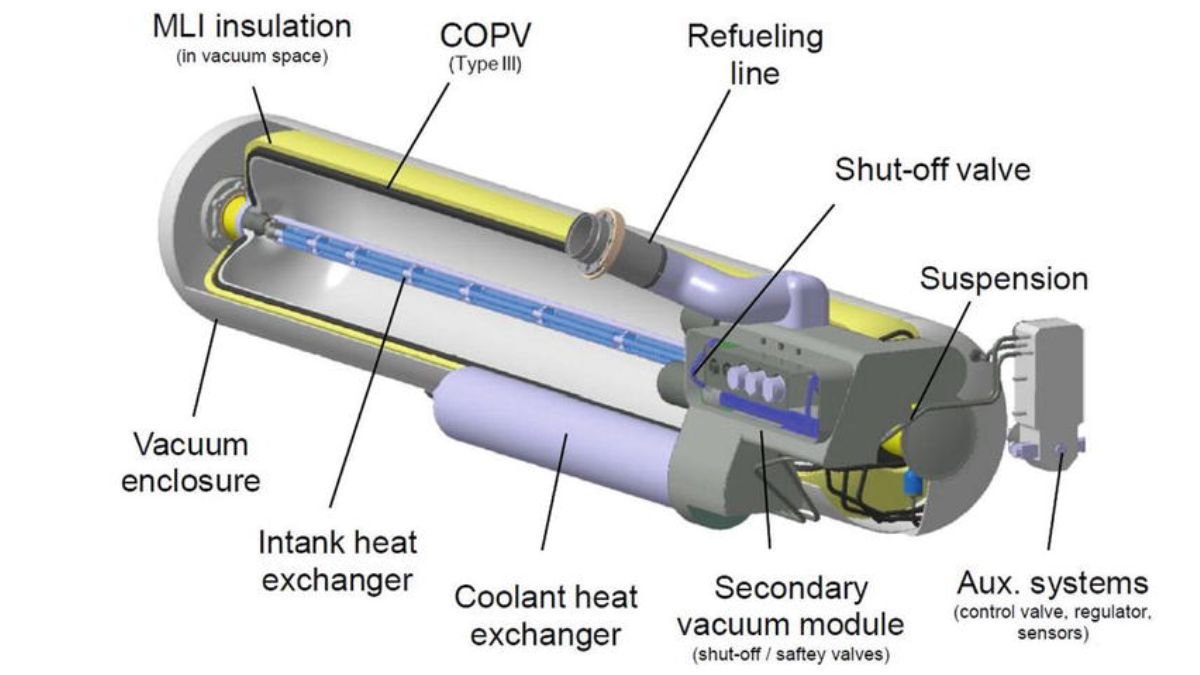
These tanks are typically made from advanced materials such as carbon fiber composites, which are both lightweight and strong. Compressed hydrogen is widely used in hydrogen fuel cell vehicles, where the gas is stored onboard and released as needed to generate electricity. While this method is relatively simple, it requires a lot of energy to compress hydrogen, and the tanks must meet strict safety standards to prevent leaks or damage.
Liquid Hydrogen Storage and How It Works
Liquid hydrogen storage involves cooling hydrogen gas to extremely low temperatures until it becomes a liquid. This process significantly increases the amount of hydrogen that can be stored in a given volume, making it suitable for applications where space is limited.
However, maintaining such low temperatures requires advanced insulation and constant energy input. If the temperature rises even slightly, hydrogen begins to evaporate, which can lead to energy losses. Liquid hydrogen storage is commonly used in space exploration and some large-scale industrial settings, but it is less practical for everyday consumer use due to its high cost and technical complexity.
Solid-State Hydrogen Storage for Beginners
Solid-state hydrogen storage is one of the most exciting and beginner-friendly concepts because it focuses on storing hydrogen within solid materials rather than as a gas or liquid. In this method, hydrogen is absorbed or chemically bonded into materials such as metal hydrides or advanced chemical compounds.
This approach offers higher safety levels since hydrogen is stored at lower pressures and temperatures. It also allows for compact storage solutions. However, releasing hydrogen from these materials often requires heat, which can reduce overall efficiency. Solid-state storage is still largely in the research and development phase, but it holds great promise for future hydrogen systems.
Chemical Hydrogen Storage Methods
Chemical hydrogen storage involves storing hydrogen within chemical compounds that release hydrogen through chemical reactions. Examples include ammonia and liquid organic hydrogen carriers. These substances can be stored and transported using existing fuel infrastructure, making them attractive options for large-scale hydrogen distribution.
The main advantage of chemical storage is convenience. Hydrogen does not need to be stored under extreme pressure or temperature. The challenge lies in efficiently extracting hydrogen when it is needed and managing byproducts created during the process. Researchers are actively working to improve these systems so they can support global hydrogen supply chains.
Safety Considerations in Hydrogen Storage
Safety is one of the most common concerns beginners have about hydrogen. While hydrogen is flammable, it is not inherently more dangerous than other fuels when handled correctly. Modern hydrogen storage systems are designed with multiple layers of protection, including leak detection, pressure relief systems, and robust materials.
Hydrogen is also lighter than air, meaning it disperses quickly if released, reducing the risk of explosion in open environments. Education, proper engineering, and strict regulations play a crucial role in ensuring hydrogen storage remains safe for public and industrial use.
Hydrogen Storage and Transportation
Storage and transportation go hand in hand. Once hydrogen is stored, it must often be moved from production sites to where it is needed. Compressed and liquid hydrogen can be transported by trucks, ships, or pipelines, while chemical carriers offer even greater flexibility.
Developing efficient transportation networks is essential for expanding hydrogen use worldwide. Governments and energy companies are investing heavily in infrastructure that supports safe storage and long-distance delivery, bringing hydrogen closer to mainstream adoption.
The Role of Hydrogen Storage in Clean Energy Transition
Hydrogen storage is a cornerstone of the global transition toward clean energy. It allows renewable power to be stored for long periods, supports decarbonization of industries, and enables zero-emission transportation. Without effective storage, hydrogen would remain a theoretical solution rather than a practical one.
As countries commit to reducing carbon emissions, hydrogen storage technologies are receiving increased attention and funding. This progress is accelerating innovation and lowering costs, making hydrogen more accessible than ever before.
Challenges Beginners Should Understand
Despite its promise, hydrogen storage still faces challenges. High costs, energy losses during storage and retrieval, and infrastructure limitations remain barriers. Beginners should understand that hydrogen technology is evolving, and improvements take time.
Research continues to focus on making storage methods more affordable, efficient, and scalable. Breakthroughs in materials science and engineering are expected to play a major role in overcoming these challenges.
The Future of Hydrogen Storage
The future of hydrogen storage looks promising. New materials, smarter storage systems, and integrated energy solutions are transforming how hydrogen is handled. As technology advances, storage methods will become safer, cheaper, and more efficient.
For beginners, this means hydrogen will likely become a familiar part of everyday life, from fueling vehicles to powering homes and industries. Understanding storage today helps build confidence in hydrogen as a long-term clean energy solution.
Conclusion
Hydrogen storage may seem complicated at first, but at its core, it is about finding safe and efficient ways to hold energy until it is needed. From compressed gas and liquid hydrogen to solid-state and chemical methods, each storage approach plays a role in making hydrogen usable in the real world.
As the global energy landscape shifts toward sustainability, hydrogen storage stands out as a critical piece of the puzzle. By learning the basics now, beginners can better appreciate how hydrogen is shaping the future of clean energy and why it matters for a greener planet.
Hydrogen is often described as the fuel of the future. It is clean, abundant, and when used as an energy source, it produces only water as a byproduct. However, while hydrogen has enormous potential to support a low-carbon world, one of its biggest challenges lies in how it is stored. For beginners, hydrogen storage can seem complex and technical, but once broken down into simple ideas, it becomes much easier to understand. This article explains hydrogen storage methods in a clear, practical, and beginner-friendly way, helping you understand why storage matters and how different techniques are shaping the future of clean energy.
Why Hydrogen Storage Is Important
Hydrogen is the lightest element in the universe, which makes it both useful and difficult to handle. Unlike fossil fuels such as coal or oil, hydrogen does not naturally exist in a ready-to-use form on Earth. Once produced, it must be stored safely until it is needed for transportation, electricity generation, or industrial use. Without effective storage methods, hydrogen cannot be transported over long distances or used reliably in daily energy systems.
Another reason storage matters is energy balance. Renewable energy sources like solar and wind are not available all the time. Hydrogen can act as a bridge between energy production and energy use. Excess electricity generated on sunny or windy days can be used to produce hydrogen, which is then stored and later converted back into energy when demand is high. This makes hydrogen storage a key solution for stabilizing future clean energy grids.
Understanding the Basic Challenge of Storing Hydrogen
Storing hydrogen is not as simple as storing gasoline in a tank. Hydrogen has a very low density, meaning it takes up a lot of space unless it is compressed or transformed. It is also highly flammable, which requires strict safety measures. These characteristics mean that hydrogen storage systems must balance three critical factors: safety, efficiency, and cost.
Scientists and engineers have spent decades developing storage methods that make hydrogen practical for everyday use. Today, several storage techniques are already in use, while others are still being researched and improved. Each method has its strengths and limitations, and no single solution works perfectly for all applications.
Compressed Hydrogen Storage Explained
Compressed hydrogen storage is the most common and easiest method to understand for beginners. In this approach, hydrogen gas is stored under very high pressure in specially designed tanks. By compressing the gas, a larger amount of hydrogen can be stored in a smaller space.
These tanks are typically made from advanced materials such as carbon fiber composites, which are both lightweight and strong. Compressed hydrogen is widely used in hydrogen fuel cell vehicles, where the gas is stored onboard and released as needed to generate electricity. While this method is relatively simple, it requires a lot of energy to compress hydrogen, and the tanks must meet strict safety standards to prevent leaks or damage.
Liquid Hydrogen Storage and How It Works
Liquid hydrogen storage involves cooling hydrogen gas to extremely low temperatures until it becomes a liquid. This process significantly increases the amount of hydrogen that can be stored in a given volume, making it suitable for applications where space is limited.
However, maintaining such low temperatures requires advanced insulation and constant energy input. If the temperature rises even slightly, hydrogen begins to evaporate, which can lead to energy losses. Liquid hydrogen storage is commonly used in space exploration and some large-scale industrial settings, but it is less practical for everyday consumer use due to its high cost and technical complexity.
Solid-State Hydrogen Storage for Beginners
Solid-state hydrogen storage is one of the most exciting and beginner-friendly concepts because it focuses on storing hydrogen within solid materials rather than as a gas or liquid. In this method, hydrogen is absorbed or chemically bonded into materials such as metal hydrides or advanced chemical compounds.
This approach offers higher safety levels since hydrogen is stored at lower pressures and temperatures. It also allows for compact storage solutions. However, releasing hydrogen from these materials often requires heat, which can reduce overall efficiency. Solid-state storage is still largely in the research and development phase, but it holds great promise for future hydrogen systems.
Chemical Hydrogen Storage Methods
Chemical hydrogen storage involves storing hydrogen within chemical compounds that release hydrogen through chemical reactions. Examples include ammonia and liquid organic hydrogen carriers. These substances can be stored and transported using existing fuel infrastructure, making them attractive options for large-scale hydrogen distribution.
The main advantage of chemical storage is convenience. Hydrogen does not need to be stored under extreme pressure or temperature. The challenge lies in efficiently extracting hydrogen when it is needed and managing byproducts created during the process. Researchers are actively working to improve these systems so they can support global hydrogen supply chains.
Safety Considerations in Hydrogen Storage
Safety is one of the most common concerns beginners have about hydrogen. While hydrogen is flammable, it is not inherently more dangerous than other fuels when handled correctly. Modern hydrogen storage systems are designed with multiple layers of protection, including leak detection, pressure relief systems, and robust materials.
Hydrogen is also lighter than air, meaning it disperses quickly if released, reducing the risk of explosion in open environments. Education, proper engineering, and strict regulations play a crucial role in ensuring hydrogen storage remains safe for public and industrial use.
Hydrogen Storage and Transportation
Storage and transportation go hand in hand. Once hydrogen is stored, it must often be moved from production sites to where it is needed. Compressed and liquid hydrogen can be transported by trucks, ships, or pipelines, while chemical carriers offer even greater flexibility.
Developing efficient transportation networks is essential for expanding hydrogen use worldwide. Governments and energy companies are investing heavily in infrastructure that supports safe storage and long-distance delivery, bringing hydrogen closer to mainstream adoption.
The Role of Hydrogen Storage in Clean Energy Transition
Hydrogen storage is a cornerstone of the global transition toward clean energy. It allows renewable power to be stored for long periods, supports decarbonization of industries, and enables zero-emission transportation. Without effective storage, hydrogen would remain a theoretical solution rather than a practical one.
As countries commit to reducing carbon emissions, hydrogen storage technologies are receiving increased attention and funding. This progress is accelerating innovation and lowering costs, making hydrogen more accessible than ever before.
Challenges Beginners Should Understand
Despite its promise, hydrogen storage still faces challenges. High costs, energy losses during storage and retrieval, and infrastructure limitations remain barriers. Beginners should understand that hydrogen technology is evolving, and improvements take time.
Research continues to focus on making storage methods more affordable, efficient, and scalable. Breakthroughs in materials science and engineering are expected to play a major role in overcoming these challenges.
The Future of Hydrogen Storage
The future of hydrogen storage looks promising. New materials, smarter storage systems, and integrated energy solutions are transforming how hydrogen is handled. As technology advances, storage methods will become safer, cheaper, and more efficient.
For beginners, this means hydrogen will likely become a familiar part of everyday life, from fueling vehicles to powering homes and industries. Understanding storage today helps build confidence in hydrogen as a long-term clean energy solution.
Conclusion
Hydrogen storage may seem complicated at first, but at its core, it is about finding safe and efficient ways to hold energy until it is needed. From compressed gas and liquid hydrogen to solid-state and chemical methods, each storage approach plays a role in making hydrogen usable in the real world.
As the global energy landscape shifts toward sustainability, hydrogen storage stands out as a critical piece of the puzzle. By learning the basics now, beginners can better appreciate how hydrogen is shaping the future of clean energy and why it matters for a greener planet.
