
The transportation sector is one of the largest contributors to global greenhouse gas emissions. From cars and buses to trucks and trains, traditional fossil fuels have powered mobility for more than a century. However, with growing concerns about climate change and the push for sustainable energy solutions, hydrogen energy is emerging as a viable alternative. Its unique properties and potential for zero-emission operation make hydrogen a promising candidate to reshape transportation systems worldwide.
Hydrogen energy is not merely a futuristic concept; it is being actively deployed in various transportation applications. Fuel cell technology allows vehicles to convert hydrogen directly into electricity, producing only water as a byproduct. Understanding the role of hydrogen in transportation helps us appreciate its potential to transform mobility while supporting environmental goals.
The Basics of Hydrogen Energy in Transportation
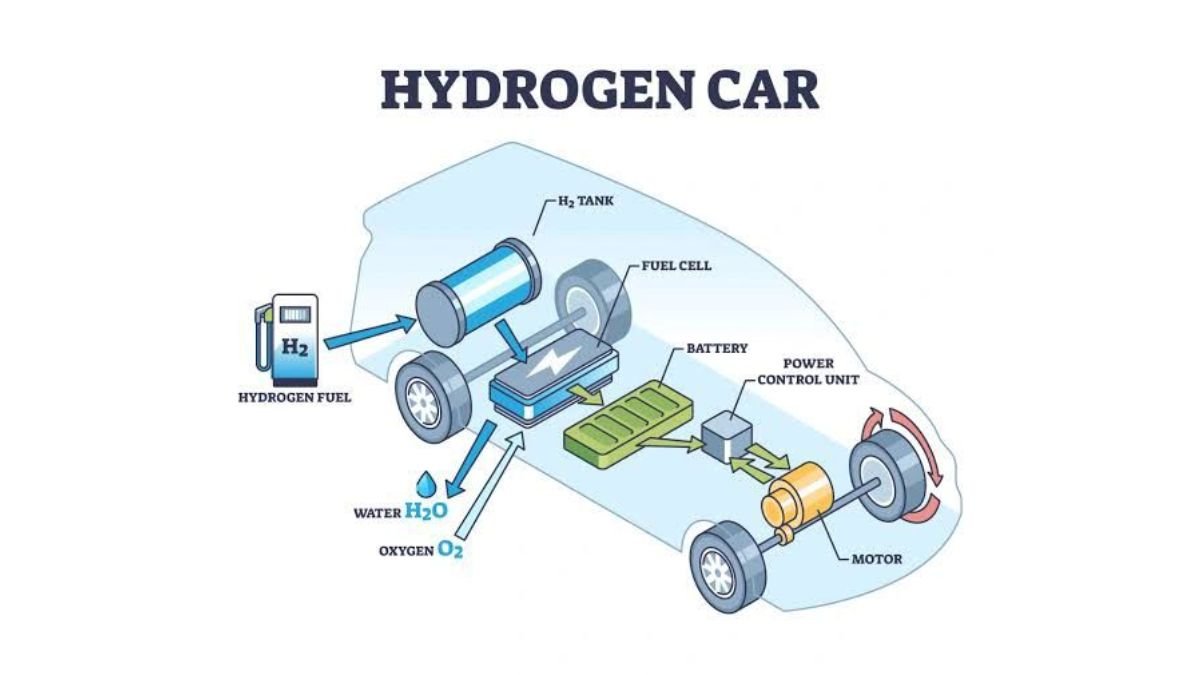
Hydrogen energy in transportation is primarily used through fuel cells. A fuel cell combines hydrogen gas with oxygen from the air to generate electricity. This electricity then powers an electric motor, driving the vehicle. Unlike traditional internal combustion engines, fuel cells do not burn fuel to create motion; instead, they convert chemical energy directly into electrical energy, making them highly efficient and environmentally friendly.
Hydrogen can be produced in multiple ways, but for transportation applications, green hydrogen — produced using renewable electricity — is preferred. Green hydrogen ensures that the entire lifecycle of the fuel remains low-carbon, aligning perfectly with global net-zero and sustainability goals.
Advantages of Hydrogen-Powered Vehicles
Hydrogen-powered vehicles offer several benefits that make them attractive for transportation. One of the most significant advantages is zero emissions. When hydrogen is used in a fuel cell, the only byproduct is water vapor. This contrasts sharply with gasoline or diesel vehicles, which emit carbon dioxide, nitrogen oxides, and particulate matter.
Another key advantage is refueling speed and range. While battery electric vehicles often require long charging times, hydrogen vehicles can be refueled in just a few minutes, similar to conventional fuel stations. Additionally, hydrogen fuel cells provide higher energy density than batteries, allowing vehicles, especially heavy-duty ones, to travel longer distances without refueling.
Hydrogen in Public Transportation
Public transportation is a sector where hydrogen energy is rapidly gaining traction. Hydrogen buses, for example, are being deployed in several cities worldwide to replace diesel buses. These buses reduce urban air pollution, lower greenhouse gas emissions, and provide a quieter and more comfortable ride for passengers.
Hydrogen trains are another emerging application. In regions where electrified rail infrastructure is limited or expensive to install, hydrogen trains offer a flexible and zero-emission alternative. By integrating hydrogen energy into public transport, cities can significantly reduce their environmental footprint while providing reliable services.
Hydrogen in Heavy-Duty Transport
While battery-electric technology works well for passenger cars and light-duty vehicles, hydrogen energy is particularly suited for heavy-duty transportation. Trucks, long-haul buses, and freight vehicles require large amounts of energy and benefit from hydrogen’s high energy density. Fuel cell trucks can travel longer distances without frequent refueling, making them ideal for logistics and cargo transport.
Hydrogen is also being explored for ships and marine transport. Fuel cell-powered vessels reduce carbon emissions and help ports comply with stricter environmental regulations. In the aviation industry, hydrogen-powered aircraft are being developed as a potential solution for zero-emission air travel in the future.
Challenges and Limitations
Despite its potential, hydrogen energy in transportation faces several challenges. One of the primary hurdles is infrastructure. Hydrogen refueling stations are still limited compared to gasoline or electric charging networks. Expanding this infrastructure requires significant investment and careful planning to ensure accessibility and efficiency.
Another challenge is the cost of hydrogen production. Green hydrogen, while environmentally friendly, is currently more expensive than conventional fuels. This makes the upfront cost of hydrogen-powered vehicles higher than traditional alternatives, although ongoing technological improvements and economies of scale are gradually reducing these costs.
Safety is also an important consideration. Hydrogen is highly flammable, and systems must be carefully designed to prevent leaks and ensure safe operation. Fortunately, modern fuel cell vehicles incorporate advanced safety features and materials to manage these risks effectively.
Innovations Driving Hydrogen Adoption
Innovation is accelerating the adoption of hydrogen energy in transportation. Advances in fuel cell efficiency, lightweight materials, and hydrogen storage are improving vehicle performance and reducing costs. For example, new storage technologies allow hydrogen to be stored at higher pressures safely, increasing vehicle range without adding significant weight.
Digital technologies are also playing a role. Smart hydrogen refueling networks, predictive maintenance systems, and real-time energy management are enhancing the practicality and reliability of hydrogen vehicles. These innovations are making hydrogen a more attractive and competitive option for both public and private transportation.
Hydrogen and Environmental Sustainability
The environmental impact of hydrogen energy in transportation is profound. By replacing fossil fuels, hydrogen vehicles reduce carbon emissions, improve air quality, and decrease noise pollution. In urban areas, where air pollution poses significant health risks, hydrogen-powered buses and trucks can provide cleaner and healthier environments.
Furthermore, when hydrogen is produced using renewable energy, the entire transportation system becomes almost carbon-neutral. This makes hydrogen a vital tool for achieving global climate goals and reducing the transportation sector’s contribution to climate change.
Economic Opportunities
Hydrogen energy in transportation also opens new economic opportunities. Developing hydrogen vehicles, building refueling infrastructure, and producing green hydrogen create jobs across multiple sectors, from engineering and manufacturing to research and logistics. Countries investing in hydrogen technology can position themselves as leaders in the emerging global hydrogen economy, boosting innovation and competitiveness.
The growth of hydrogen transportation markets also encourages investment in renewable energy, further reinforcing the shift toward sustainable energy systems. By linking clean energy production with mobility, hydrogen contributes to both environmental and economic resilience.
Integration with Renewable Energy Systems
Hydrogen transportation works best when integrated with renewable energy systems. Excess electricity from solar, wind, or hydro can be used to produce hydrogen, effectively storing energy that would otherwise be wasted. This stored hydrogen can then power vehicles, ensuring that renewable energy contributes directly to reducing transportation emissions.
This integration also helps balance energy demand and supply, smoothing out fluctuations in renewable energy generation. By connecting mobility with renewable energy production, hydrogen vehicles become part of a broader ecosystem supporting sustainable energy goals.
The Future of Hydrogen in Transportation
The future of hydrogen energy in transportation is promising. As technology advances, costs continue to decrease, and infrastructure expands, hydrogen vehicles are expected to become more common across cities, highways, and industrial applications. Fuel cell technology may even enable new forms of mobility that were previously impractical with batteries alone, such as heavy-duty long-distance transport, ships, and regional trains.
Collaboration between governments, private companies, and research institutions will accelerate progress. Policies supporting clean energy, investments in refueling networks, and public awareness campaigns will be critical to the widespread adoption of hydrogen in transportation.
Conclusion
Hydrogen energy is transforming the transportation sector by providing a clean, efficient, and flexible alternative to traditional fossil fuels. From passenger vehicles and buses to trucks, trains, and ships, hydrogen offers solutions that reduce emissions, improve air quality, and support global sustainability goals.
While challenges remain, including infrastructure, production costs, and safety considerations, ongoing innovations are making hydrogen increasingly practical and economically viable. By integrating hydrogen vehicles with renewable energy systems and supporting policies, the transportation sector can play a pivotal role in achieving a cleaner, greener, and more sustainable future.
Hydrogen energy is not a replacement for all existing technologies but a complementary tool that addresses some of the hardest-to-decarbonize areas of transportation. As this technology evolves, it promises to become a cornerstone of global efforts to reduce emissions and build a sustainable, net-zero future.
