
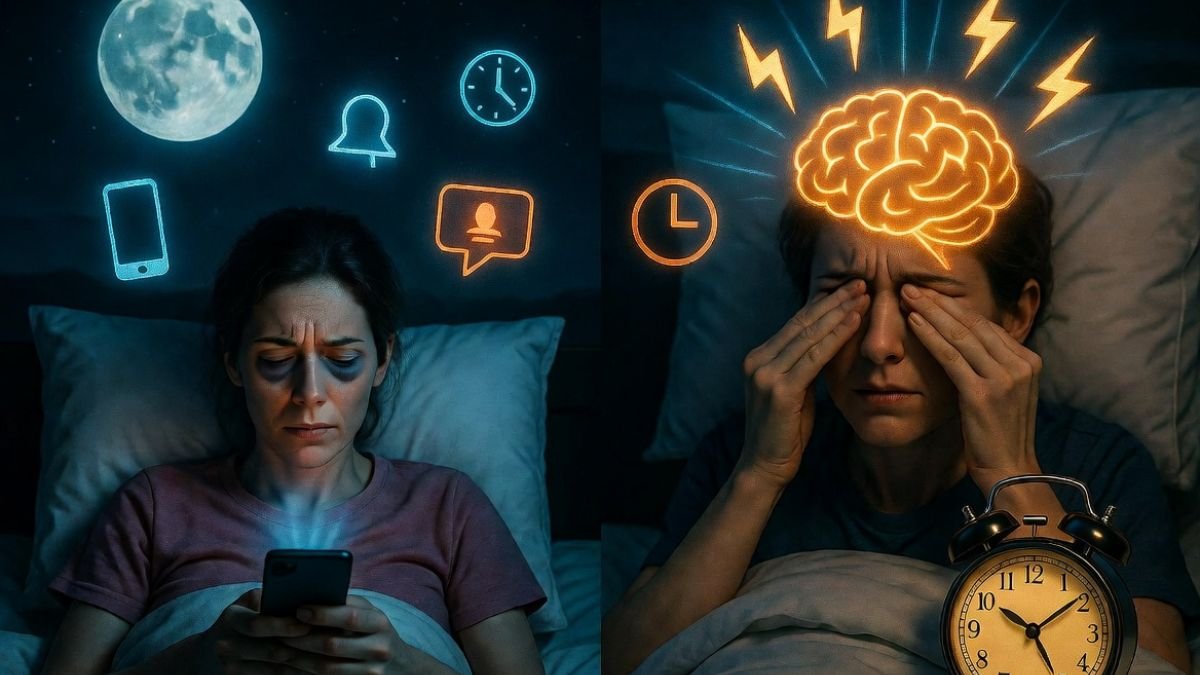
Waking up tired every single day can feel frustrating, confusing, and even discouraging. You may be going to bed at a reasonable hour, sleeping for seven or eight hours, and still waking up feeling drained, heavy-eyed, and unmotivated. Over time, this constant exhaustion can start affecting your mood, productivity, relationships, and overall health. Many people assume the problem lies in stress, age, or workload, but often the real cause is much closer to bedtime. One common late-night habit, practiced unknowingly by millions, silently disrupts sleep quality and prevents the body from truly resting.
Understanding why this happens requires looking beyond just the number of hours you sleep. Quality matters more than quantity, and what you do in the evening plays a powerful role in how refreshed you feel the next morning.
Why Sleep Quality Matters More Than Sleep Duration
Sleep is not a single, uniform state. It is a complex cycle made up of multiple stages, including light sleep, deep sleep, and REM sleep. Each stage has a specific role, from physical repair and muscle recovery to memory consolidation and emotional balance. When these stages are interrupted or shortened, the body may technically be asleep, but it is not fully restoring itself.
Many people focus on clock-watching, believing that sleeping longer will fix their fatigue. In reality, someone who sleeps six uninterrupted hours with healthy sleep cycles may feel far more refreshed than someone who sleeps eight hours of fragmented, low-quality sleep. Late-evening habits can quietly interfere with these natural cycles, preventing deep and restorative sleep from occurring.
The Hidden Late-Night Habit That Disrupts Sleep
One of the most common late-night habits that disrupts sleep is prolonged exposure to screens before bed. This includes scrolling on smartphones, watching TV, using tablets, or working on laptops late into the evening. While these activities may feel relaxing or harmless, they have a powerful impact on the brain’s ability to prepare for sleep.
Screens emit blue light, which directly interferes with the production of melatonin, the hormone responsible for regulating sleep and wake cycles. Melatonin signals to the body that it is time to wind down. When blue light suppresses this hormone, the brain remains in an alert state, even if the body feels physically tired. As a result, falling asleep becomes harder, sleep becomes lighter, and nighttime awakenings become more frequent.
How Blue Light Confuses the Brain
The human brain evolved to follow natural light patterns. Darkness signals rest, while daylight signals activity. Blue light closely mimics natural daylight, which is why it is so effective at keeping us alert. When the brain is exposed to this type of light late at night, it becomes confused about what time it is.
Instead of smoothly transitioning into sleep mode, the brain delays the release of melatonin. This delay pushes the body’s internal clock later, making it harder to fall asleep at the intended time. Even if you manage to fall asleep, the disruption can shorten deep sleep phases, leaving you feeling unrefreshed in the morning.
Why You May Not Notice the Damage Right Away
One reason this habit is so widespread is that its effects are subtle at first. You may still fall asleep eventually, leading you to believe that screen use is not affecting you. However, the damage accumulates over time. Each night of reduced deep sleep adds up, slowly creating a sleep debt that the body struggles to repay.
Over weeks or months, this can lead to chronic morning fatigue, difficulty concentrating, increased irritability, and a reliance on caffeine to function. Many people normalize these symptoms, assuming that feeling tired is just part of adult life, without realizing that their evening routine is the root cause.
The Emotional and Mental Impact of Poor Sleep
Waking up tired every day does not just affect physical energy. It has a strong impact on mental and emotional well-being. Poor sleep quality is closely linked to anxiety, low mood, and emotional instability. When the brain does not get enough restorative sleep, it becomes less capable of managing stress and regulating emotions.
This can create a vicious cycle. Stress leads to more nighttime screen use as a distraction, which then further disrupts sleep. Over time, this cycle can contribute to burnout, reduced motivation, and a constant feeling of being overwhelmed, even by small tasks.
Why Evening Screen Time Feels So Hard to Give Up
Late-night screen use often feels comforting. It provides entertainment, social connection, and a mental escape after a long day. For many people, it is the only time they have to relax or catch up on messages, shows, or news. This emotional attachment makes the habit difficult to break.
Additionally, many apps and platforms are intentionally designed to keep users engaged. Endless scrolling, autoplay features, and notifications stimulate the brain and encourage prolonged use. While the mind may feel relaxed, the nervous system remains active, preventing true rest.
The Difference Between Feeling Sleepy and Being Ready for Sleep
Feeling sleepy does not always mean the body is ready for restorative sleep. Sleepiness can be caused by exhaustion, boredom, or mental overload, while true sleep readiness involves hormonal balance and nervous system relaxation. Screen exposure interferes with this process by keeping the brain in a semi-alert state.
As a result, you may feel tired yet restless, sleepy yet unable to fully relax. This mismatch often leads to shallow sleep and frequent awakenings, which explain why you wake up tired despite spending enough time in bed.
How This Habit Affects Morning Energy Levels
When deep sleep and REM sleep are disrupted, the body does not complete its overnight repair processes. Muscles may not fully recover, the brain may not properly clear metabolic waste, and hormonal balance may be affected. This incomplete restoration is what leads to heavy mornings, brain fog, and a lack of motivation.
Instead of waking up naturally refreshed, you may rely on alarms, caffeine, or sugar to push through the day. Over time, this pattern can weaken the body’s natural energy regulation, making fatigue feel permanent.
Small Changes That Can Make a Big Difference
Breaking the late-night screen habit does not require drastic changes. Even small adjustments can significantly improve sleep quality. Reducing screen exposure in the hour before bed allows melatonin levels to rise naturally. Dimming lights and choosing calming activities helps signal to the brain that it is time to rest.
Creating a consistent bedtime routine also strengthens the body’s internal clock. When the brain learns to associate certain activities with sleep, it transitions more smoothly into rest. Over time, this leads to deeper sleep and more refreshing mornings.
Relearning How to Wind Down Naturally
Before screens dominated evenings, people relied on slower, quieter activities to wind down. Reading, light stretching, listening to soft music, or simply sitting quietly allowed the nervous system to relax. Reintroducing these habits can feel unfamiliar at first, but the benefits are powerful.
Natural wind-down routines reduce mental stimulation and help the body shift from stress mode to rest mode. This transition is essential for achieving deep, restorative sleep.
When to Expect Improvements
Once late-night screen exposure is reduced, improvements in sleep quality can begin within a few days. Falling asleep may become easier, nighttime awakenings may decrease, and mornings may feel slightly lighter. Full recovery, especially after long-term sleep disruption, can take a few weeks.
Consistency is key. The brain responds best to regular patterns. Over time, your internal clock adjusts, melatonin production stabilizes, and waking up tired every day becomes far less common.
The Bigger Picture of Healthy Sleep
Sleep is not just a nightly activity but a foundation of overall health. Quality sleep supports immune function, heart health, mental clarity, and emotional resilience. Ignoring sleep quality can quietly undermine these systems, even if other aspects of health seem fine.
Recognizing and addressing disruptive late-evening habits is a powerful step toward better energy and well-being. Often, the solution is not more sleep, but better sleep.
Final Thoughts
If you wake up tired every day despite getting enough hours of sleep, the answer may lie in your late-night routine. Prolonged screen use before bed is a common but often overlooked habit that disrupts sleep quality and prevents true rest. By becoming aware of this habit and making small, intentional changes, it is possible to restore deeper sleep and wake up feeling genuinely refreshed.
Better mornings begin the night before. When you give your brain the darkness and calm it needs, your body can finally do what it was designed to do, rest, repair, and recharge.
FAQs
Q1. Why do I wake up tired even after 7–8 hours of sleep?
Because late-night habits like screen use disrupt deep sleep, reducing sleep quality even if total sleep time is enough.
Q2. How does using my phone at night affect my sleep?
Phone screens emit blue light that suppresses melatonin, delaying sleep and causing lighter, less restorative rest.
Q3. How long before bed should I avoid screens to sleep better?
Avoid screens at least 60 minutes before bedtime to help your body relax and improve sleep quality.
