
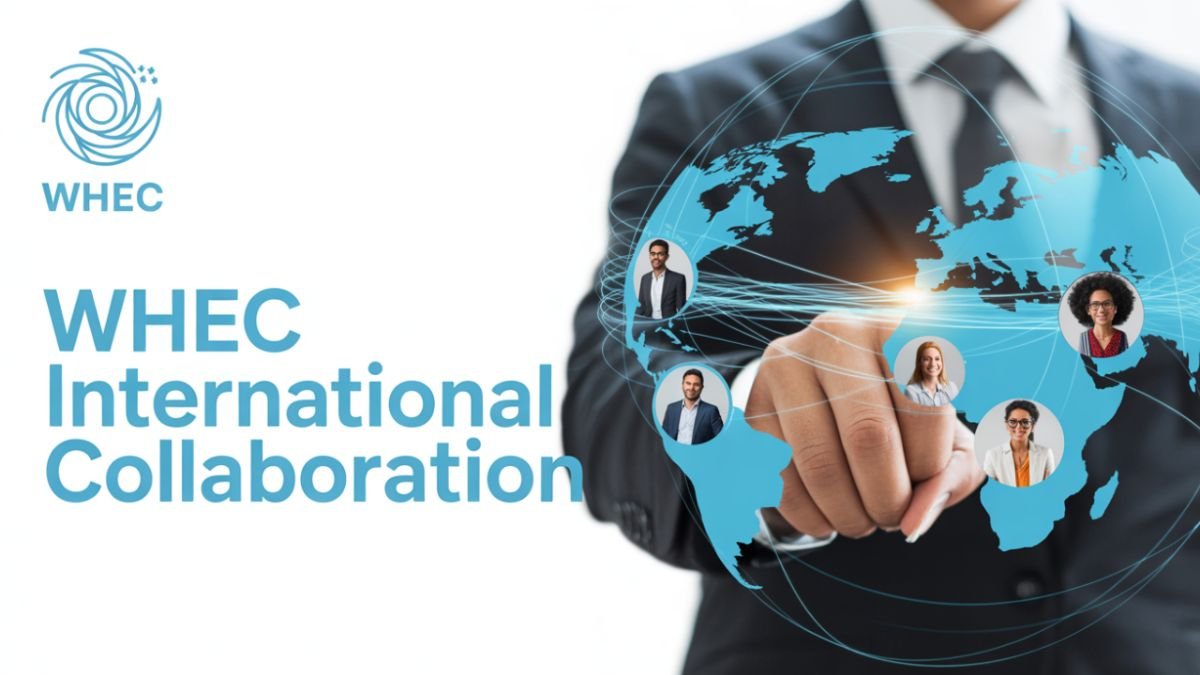
The World Hydrogen Energy Conference, widely known as WHEC, has grown into far more than a technical gathering. Over the years, it has become a global bridge that connects countries, institutions, industries, and individuals who share a common goal: advancing hydrogen as a clean and sustainable energy solution. In a world where energy challenges cross national borders, collaboration is no longer optional. It is essential. WHEC plays a central role in making that collaboration possible by creating a trusted international platform where ideas, expertise, and ambitions come together.
As hydrogen continues to gain momentum in global energy strategies, the need for cooperation between nations has never been greater. No single country can build a hydrogen economy in isolation. From technology development and infrastructure to policy alignment and market creation, international collaboration is the foundation of progress. WHEC supports this collaboration by bringing diverse voices into one space and encouraging meaningful, long-term partnerships.
The Global Mission Behind WHEC
At its core, WHEC is guided by a global mission. The conference is designed to unite the international hydrogen community, regardless of geography, economic status, or level of technological advancement. This inclusive approach ensures that both developed and emerging economies have a voice in shaping the hydrogen future.
By welcoming participants from across the world, WHEC creates an environment where shared challenges can be discussed openly and collective solutions can emerge. Countries with advanced hydrogen programs share lessons learned, while nations at earlier stages benefit from that experience. This exchange strengthens global progress and reduces duplication of effort.
Bringing Countries Together on a Neutral Platform
One of the most important ways WHEC supports international collaboration is by acting as a neutral meeting ground. Unlike bilateral agreements or region-specific forums, WHEC offers a global stage where countries can engage without political pressure. This neutrality encourages honest dialogue and trust-building among participants.
Government representatives use WHEC to explore cooperation opportunities, compare national hydrogen strategies, and identify areas where joint initiatives make sense. These conversations often lead to memorandums of understanding, research partnerships, and coordinated policy approaches that extend well beyond the conference itself.
Connecting Research Communities Across Borders
Scientific research is a cornerstone of hydrogen development, and WHEC plays a vital role in connecting research communities worldwide. Universities, laboratories, and research institutions use the conference to present findings, exchange data, and discuss future research directions.
This international research collaboration accelerates innovation by allowing scientists to build on each other’s work rather than starting from scratch. It also helps align research priorities globally, ensuring that efforts focus on solving the most pressing challenges, such as cost reduction, efficiency improvement, and system durability.
Supporting Industry Partnerships and Global Supply Chains
Industry collaboration is essential for turning hydrogen concepts into real-world solutions. WHEC supports this by bringing together companies from different countries and sectors, including energy producers, equipment manufacturers, technology startups, and infrastructure developers.
Through discussions and informal networking, companies explore partnerships that span borders. These collaborations help create global hydrogen supply chains, where production, transportation, and consumption are coordinated internationally. WHEC provides the space where trust is built, ideas are tested, and commercial relationships begin.
Encouraging Policy Alignment and Regulatory Cooperation
Differences in policy and regulation can slow down international hydrogen projects. WHEC helps address this challenge by facilitating dialogue between policymakers from different regions. Sessions focused on regulation, standards, and safety encourage countries to learn from each other’s approaches.
By sharing experiences and best practices, policymakers can work toward greater alignment. This cooperation reduces barriers for cross-border projects and investments, making it easier for hydrogen technologies and markets to scale globally. WHEC’s role as a policy discussion forum supports smoother international collaboration.
Enabling Knowledge Sharing and Capacity Building
Knowledge sharing is one of the strongest pillars of WHEC’s collaborative impact. The conference is structured to encourage open exchange of information, whether through technical presentations, panel discussions, or informal conversations.
For developing countries and regions new to hydrogen, this knowledge transfer is especially valuable. Learning directly from global experts helps build local capacity and confidence. WHEC ensures that collaboration is not one-sided but inclusive, empowering all participants to contribute and benefit.
Fostering Collaboration Between Public and Private Sectors
The transition to a hydrogen economy requires close cooperation between public institutions and private companies. WHEC supports this collaboration by bringing both sectors together in the same space. Government officials gain insight into industry needs, while companies better understand policy objectives and regulatory expectations.
This interaction helps align public funding, incentives, and regulations with private investment and innovation. By encouraging dialogue between these sectors, WHEC strengthens the foundation for international projects that require both political support and commercial viability.
Building Long-Term International Networks
One of the most lasting impacts of WHEC is the global network it creates. Participants often describe the conference as a place where professional relationships turn into long-term collaborations. These networks continue to grow long after the event ends.
Researchers collaborate on joint publications, companies develop cross-border projects, and governments coordinate initiatives through connections first made at WHEC. These enduring relationships are a powerful example of how international collaboration extends beyond formal agreements into sustained cooperation.
Promoting Cultural Understanding and Mutual Respect
International collaboration is not only about technology and policy; it is also about people. WHEC brings together individuals from diverse cultural and professional backgrounds, fostering mutual respect and understanding. This human element is critical for successful collaboration.
By encouraging open dialogue and shared experiences, WHEC helps break down cultural and communication barriers. Participants gain a deeper appreciation of different perspectives, which strengthens cooperation and reduces misunderstandings in international projects.
Supporting Global Climate and Sustainability Goals
WHEC’s emphasis on collaboration is closely tied to global climate objectives. Hydrogen has the potential to support decarbonization across multiple sectors, but only if efforts are coordinated internationally. WHEC aligns its mission with global sustainability goals, reinforcing the idea that climate challenges require collective action.
Through collaboration facilitated by WHEC, countries can work together to reduce emissions, develop cleaner technologies, and support a more sustainable energy system. This shared purpose strengthens international commitment and accountability.
Empowering Emerging Economies Through Collaboration
Emerging economies play a crucial role in the future hydrogen market, and WHEC actively supports their participation. By providing access to global expertise and partnerships, the conference helps these countries explore hydrogen opportunities that align with their development goals.
International collaboration through WHEC allows emerging economies to leapfrog certain stages of development, adopting proven solutions rather than reinventing them. This inclusive approach ensures that the benefits of hydrogen are shared more equitably around the world.
Adapting Collaboration to a Changing World
As global challenges evolve, so does the way WHEC supports collaboration. The conference increasingly incorporates digital tools, hybrid participation models, and virtual networking opportunities. These adaptations make collaboration more accessible and resilient.
By embracing new formats, WHEC ensures that international cooperation continues even in times of global uncertainty. This flexibility strengthens the global hydrogen community and keeps collaboration moving forward.
Why WHEC’s Role in Collaboration Matters More Than Ever
The urgency of the energy transition has made collaboration more important than ever. Hydrogen development requires shared standards, coordinated infrastructure, and aligned investment strategies. WHEC provides the environment where these complex discussions can happen constructively.
Without platforms like WHEC, international collaboration would be fragmented and slower. The conference helps unify efforts, ensuring that progress in one region supports progress elsewhere rather than creating silos.
Conclusion
WHEC stands as a powerful catalyst for international collaboration in the hydrogen sector. By bringing together governments, researchers, industries, and institutions from around the world, it creates opportunities that no single country could achieve alone. Its neutral platform, emphasis on knowledge sharing, and focus on long-term relationships make it a cornerstone of global hydrogen cooperation.
As the world moves toward a cleaner energy future, the role of WHEC in supporting international collaboration will only grow stronger. Through dialogue, partnership, and shared vision, WHEC continues to connect the global hydrogen community and drive collective progress toward a sustainable and interconnected energy future.
