
Around the world, governments, businesses, and communities are committing to net-zero goals to combat climate change. Net-zero means balancing the amount of greenhouse gases released into the atmosphere with an equal amount removed or avoided. Achieving this balance is one of the greatest challenges of our time, and it requires major changes in how energy is produced, stored, and used. Among the many solutions being explored, hydrogen energy stands out as a powerful and flexible tool that can support the journey toward net-zero emissions.
Hydrogen energy is not a single technology but a broad energy system that can complement renewable power, decarbonize difficult sectors, and provide long-term energy storage. Understanding how hydrogen fits into net-zero strategies helps explain why it is receiving growing global attention.
Understanding Net-Zero Goals in Simple Terms
Net-zero goals aim to stop the buildup of greenhouse gases in the atmosphere. This does not mean emissions must drop to zero overnight, but it does mean that any remaining emissions must be offset through clean technologies or natural solutions. Electricity generation, transportation, heavy industry, and heating are some of the largest sources of emissions worldwide.
Renewable energy sources like solar and wind are essential to reducing emissions, but they cannot solve every problem on their own. Some sectors are hard to electrify, and energy demand does not always match renewable supply. Hydrogen energy helps fill these gaps, making net-zero goals more realistic and achievable.
What Makes Hydrogen Energy Special
Hydrogen is the most abundant element in the universe, and when used as a fuel, it produces only water as a byproduct. This makes it an attractive clean energy option. Hydrogen can be produced using renewable electricity, stored for long periods, and converted back into electricity or heat when needed.
Unlike electricity, hydrogen can be transported over long distances and stored at large scales. These qualities make hydrogen a versatile energy carrier rather than just a fuel. Its flexibility allows it to support net-zero goals across multiple sectors, not just power generation.
Green Hydrogen and Its Role in Net-Zero Strategies
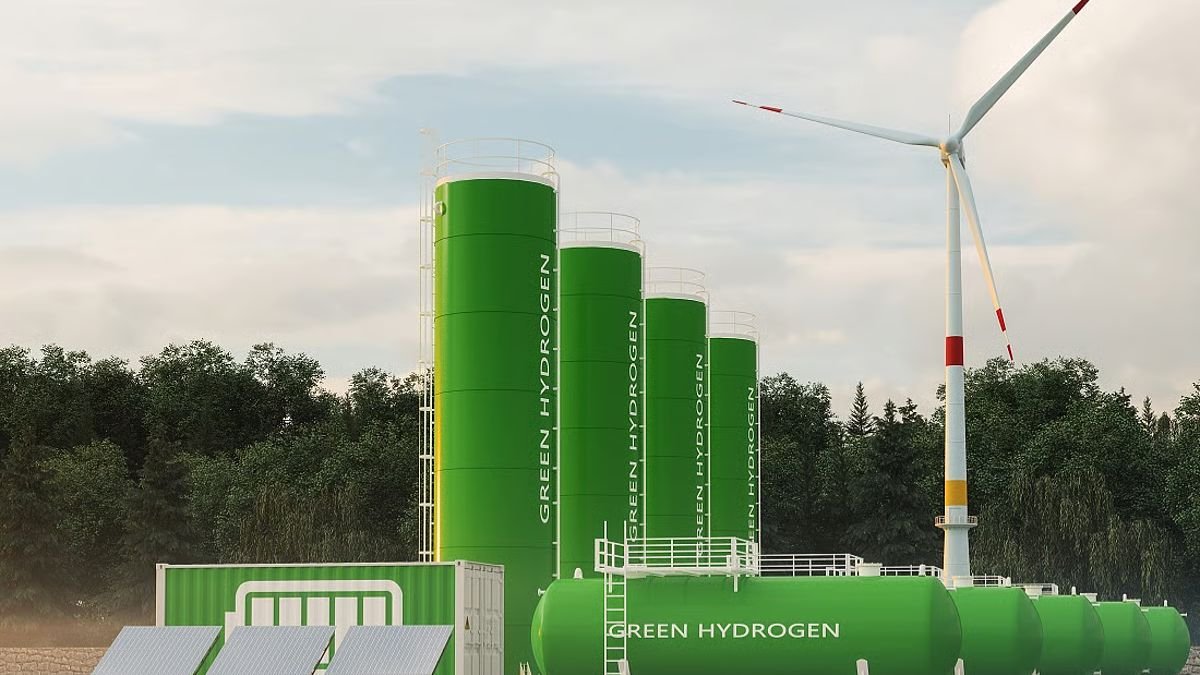
The environmental benefits of hydrogen depend on how it is produced. Green hydrogen is created by using renewable electricity to split water into hydrogen and oxygen through a process called electrolysis. Because this method uses clean energy, it produces no carbon emissions.
Green hydrogen is especially important for net-zero goals because it replaces fossil fuels without adding new emissions. As renewable energy capacity grows and electrolysis technology improves, green hydrogen is expected to become more affordable and widely available, strengthening its role in climate strategies.
Hydrogen Energy and Renewable Power Integration
One of the biggest challenges with renewable energy is variability. Solar panels do not produce electricity at night, and wind turbines depend on weather conditions. Hydrogen energy helps solve this problem by acting as a form of energy storage.
When renewable electricity production exceeds demand, the excess power can be used to produce hydrogen. This hydrogen can then be stored and later converted back into electricity or used directly as fuel. This process supports grid stability and ensures clean energy is not wasted, bringing net-zero systems closer to reality.
Decarbonizing Heavy Industry with Hydrogen
Heavy industries such as steel, cement, and chemicals are among the largest sources of carbon emissions. These sectors often require high temperatures or chemical processes that are difficult to electrify. Hydrogen provides a clean alternative that can replace coal, oil, or natural gas in many industrial applications.
For example, hydrogen can be used as a reducing agent in steel production, significantly cutting emissions. By enabling cleaner industrial processes, hydrogen energy plays a crucial role in reducing emissions from sectors that are essential to modern economies but traditionally carbon-intensive.
Hydrogen in Clean Transportation
Transportation is another major contributor to global emissions. While battery electric vehicles are well suited for cars and light vehicles, hydrogen fuel cells offer advantages for heavy-duty transportation. Trucks, buses, trains, ships, and even aircraft can benefit from hydrogen’s high energy density and fast refueling times.
Hydrogen-powered transportation produces no tailpipe emissions and can operate over long distances without lengthy charging stops. As hydrogen infrastructure expands, fuel cell vehicles can help reduce emissions in areas where batteries face limitations, supporting net-zero targets in the transport sector.
Supporting Net-Zero Heating and Power Generation
Heating buildings and generating electricity are significant sources of emissions, especially in regions that rely on natural gas. Hydrogen can be blended with existing gas networks or used directly in hydrogen-ready systems to reduce carbon output.
Fuel cells powered by hydrogen can generate electricity and heat with high efficiency. In some cases, they can be used for decentralized power generation, reducing transmission losses and increasing energy resilience. These applications further strengthen hydrogen’s role in net-zero energy systems.
Long-Term Energy Storage and Seasonal Balance
One of hydrogen’s most valuable contributions to net-zero goals is long-term energy storage. Unlike batteries, which are better suited for short-term storage, hydrogen can store energy for weeks or even months. This makes it ideal for balancing seasonal energy demand.
In regions with high renewable potential but variable demand, hydrogen storage allows clean energy produced in one season to be used in another. This capability supports deep decarbonization by ensuring reliable clean energy throughout the year.
Economic and Social Benefits of Hydrogen Energy
Beyond emissions reduction, hydrogen energy supports economic growth and job creation. Building hydrogen infrastructure requires skilled labor, advanced manufacturing, and research innovation. These activities can strengthen local economies and support a just energy transition.
Hydrogen also offers energy security by reducing dependence on imported fossil fuels. Countries that invest in domestic hydrogen production can improve resilience while progressing toward net-zero goals.
Challenges That Must Be Overcome
Despite its potential, hydrogen energy faces challenges that must be addressed to fully support net-zero goals. High production costs, limited infrastructure, and energy losses during conversion remain barriers. Scaling up green hydrogen requires large investments and supportive policies.
However, these challenges are not unique to hydrogen. Similar obstacles were faced by renewable energy technologies in their early stages. Continued innovation, policy support, and global collaboration are expected to drive progress and reduce costs over time.
The Role of Policy and Global Cooperation
Government policies play a critical role in accelerating hydrogen adoption. Incentives, carbon pricing, and clear regulatory frameworks encourage investment and innovation. International cooperation helps align standards, share knowledge, and develop global hydrogen supply chains.
Net-zero goals are global in nature, and hydrogen energy provides opportunities for collaboration across borders. Countries rich in renewable resources can produce green hydrogen for export, supporting global emissions reduction efforts.
Hydrogen as Part of a Broader Net-Zero Solution
Hydrogen is not a standalone solution but part of a broader clean energy ecosystem. It works alongside renewable electricity, energy efficiency measures, carbon capture, and nature-based solutions. Together, these approaches form a comprehensive strategy for achieving net-zero emissions.
Understanding hydrogen’s role helps set realistic expectations. It is a powerful enabler rather than a silver bullet, and its success depends on thoughtful integration with other clean technologies.
Conclusion
Hydrogen energy supports net-zero goals by addressing some of the most difficult challenges in decarbonization. From storing renewable energy and cleaning up heavy industry to powering long-distance transportation and providing seasonal energy balance, hydrogen offers solutions where other technologies fall short.
As green hydrogen production expands and infrastructure develops, hydrogen will become an increasingly important part of the global clean energy transition. By supporting flexibility, reliability, and deep emissions cuts, hydrogen energy helps turn net-zero goals from ambitious promises into achievable outcomes for a sustainable future.
