
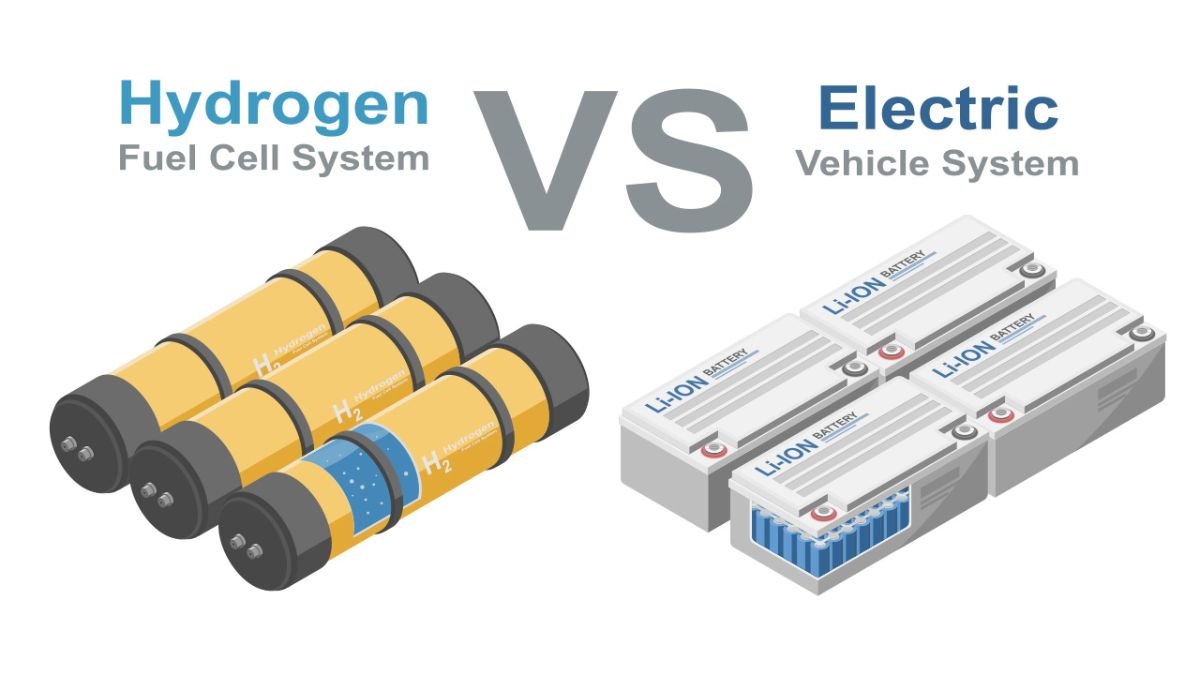
As the world moves away from fossil fuels, the debate between fuel cells and batteries has become one of the most important conversations in clean energy. Both technologies promise a future with lower emissions, cleaner transportation, and more sustainable power systems. Yet they work in very different ways and offer unique advantages and challenges. Understanding these differences is essential for anyone curious about how energy systems will evolve in the coming decades.
This article explores fuel cells and batteries in a simple, humanized way, helping readers understand which technology may play a bigger role in shaping the future.
Understanding the Basics of Batteries
Batteries store energy in chemical form and release it as electricity when needed. Most people interact with batteries every day, from smartphones and laptops to electric vehicles. Lithium-ion batteries, in particular, dominate today’s energy storage market because they are lightweight, rechargeable, and relatively efficient.
Batteries work as closed systems. Once charged, they store a fixed amount of energy, which is gradually depleted during use. To reuse them, they must be recharged using electricity. This simplicity has made batteries a popular choice for portable electronics and electric cars, where convenience and reliability matter most.
Understanding the Basics of Fuel Cells
Fuel cells generate electricity through a chemical reaction rather than storing it. The most common type, hydrogen fuel cells, combine hydrogen and oxygen to produce electricity, heat, and water. As long as fuel is supplied, fuel cells can continue producing power.
Unlike batteries, fuel cells are open systems. They do not need to be recharged but instead refueled. This fundamental difference makes fuel cells attractive for applications requiring long operating times and quick refueling, such as heavy transportation and industrial power systems.
Energy Efficiency Compared
When it comes to efficiency, both technologies perform well but in different ways. Batteries are highly efficient at storing and releasing electricity, especially over short periods. This makes them ideal for applications like electric vehicles and home energy storage systems connected to solar panels.
Fuel cells are efficient at converting chemical energy into electricity, especially for continuous power generation. However, producing hydrogen fuel often requires significant energy, which can reduce overall system efficiency unless renewable energy sources are used. The efficiency debate often depends on the full energy lifecycle rather than just end use.
Environmental Impact and Sustainability
Environmental impact is one of the most important factors in determining the future of energy technologies. Batteries produce zero emissions during use, but their manufacturing process involves mining materials such as lithium, cobalt, and nickel. These processes can harm ecosystems and raise ethical concerns related to labor and resource extraction.
Fuel cells also produce zero emissions during operation when hydrogen is used. The environmental impact depends heavily on how hydrogen is produced. Green hydrogen, made using renewable electricity, offers a nearly carbon-free solution. However, hydrogen produced from fossil fuels can still contribute to carbon emissions unless paired with carbon capture technologies.
Cost and Economic Considerations
Cost plays a major role in determining which technology becomes more widespread. Batteries have benefited from massive investment and economies of scale, leading to significant cost reductions over the past decade. This has accelerated the adoption of electric vehicles and battery storage systems worldwide.
Fuel cells remain more expensive, largely due to hydrogen production costs, limited infrastructure, and reliance on rare materials in some fuel cell components. However, ongoing research and government support are gradually reducing these costs, especially as hydrogen infrastructure expands.
Infrastructure and Practicality
Infrastructure is where batteries currently have a clear advantage. Electricity grids already exist, making battery charging relatively simple. Home chargers, public charging stations, and renewable energy connections support widespread battery use.
Fuel cells require a different kind of infrastructure, including hydrogen production facilities, storage systems, and refueling stations. Building this infrastructure takes time and investment. While some countries are making progress, hydrogen networks are still limited compared to electric charging systems.
Transportation Applications
In transportation, both technologies offer promising solutions. Batteries dominate passenger vehicles due to their efficiency, simplicity, and growing charging networks. Electric cars are becoming more affordable and practical for daily use.
Fuel cells shine in heavy-duty transportation such as trucks, buses, trains, and ships. Their quick refueling time and longer driving range make them suitable for applications where batteries may struggle with weight and charging delays. The future of transportation may involve a mix of both technologies rather than a single winner.
Energy Storage and Grid Support
Batteries are well suited for short-term energy storage, especially for balancing renewable energy supply and demand. They can store excess solar or wind power and release it during peak usage hours, helping stabilize electricity grids.
Fuel cells and hydrogen storage offer advantages for long-term and large-scale energy storage. Hydrogen can be stored for weeks or months, making it valuable for seasonal energy balancing. This capability could become critical as renewable energy adoption increases globally.
Safety Considerations
Safety concerns often influence public perception. Batteries can overheat or catch fire if damaged or poorly manufactured, though safety standards have improved significantly. Proper handling and recycling are essential to minimize risks.
Hydrogen is flammable, but modern fuel cell systems are designed with advanced safety measures. Hydrogen disperses quickly in open air, reducing explosion risk compared to some fuels. With proper design and regulation, both technologies can be used safely.
Technological Innovation and Future Development
Innovation continues to reshape both technologies. Battery research focuses on improving energy density, charging speed, lifespan, and recyclability. Solid-state batteries and alternative materials could reduce environmental impact and improve performance.
Fuel cell innovation aims to lower costs, improve durability, and develop efficient hydrogen production methods. Advances in green hydrogen production and storage could significantly boost the role of fuel cells in clean energy systems.
Which Technology Is Better for the Future?
The question of which technology is better does not have a simple answer. Batteries are likely to dominate consumer electronics, personal vehicles, and short-term energy storage due to their convenience and existing infrastructure. Fuel cells, on the other hand, are better suited for heavy transportation, industrial applications, and long-term energy storage.
Rather than competing directly, fuel cells and batteries may complement each other. Together, they can address different energy needs and help create a more flexible and resilient clean energy system.
The Role of Policy and Investment
Government policies and private investment will strongly influence the future of both technologies. Incentives, subsidies, and research funding can accelerate innovation and infrastructure development. Countries that invest strategically in both batteries and fuel cells may gain economic and environmental advantages.
Public awareness and education also play a role. Understanding how these technologies work helps build trust and support for clean energy transitions.
Conclusion
Fuel cells and batteries are both powerful tools in the global shift toward sustainable energy. Each technology offers unique strengths and faces distinct challenges. Batteries provide efficiency, simplicity, and widespread accessibility, while fuel cells offer scalability, long-term energy storage, and fast refueling.
The future of clean energy is unlikely to depend on a single solution. Instead, it will be shaped by how well different technologies work together. By understanding fuel cells and batteries, we gain insight into a future where energy is cleaner, smarter, and more sustainable for everyone.
