
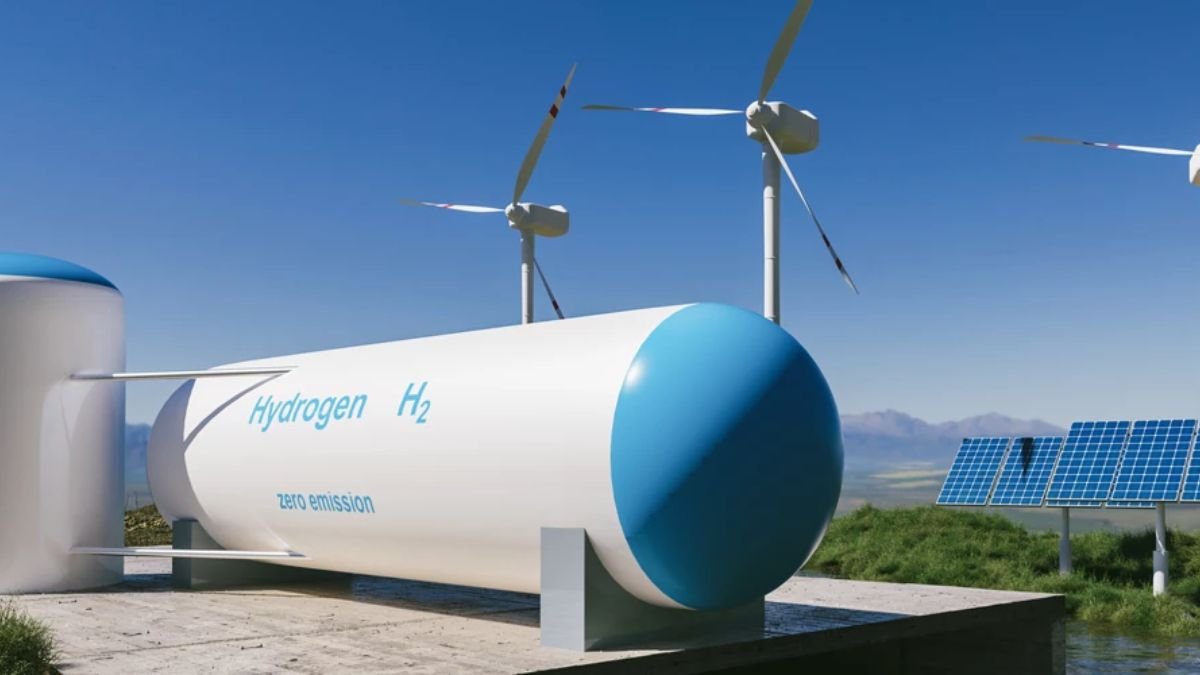
Developing countries today face a dual challenge. On the one hand, energy demand is constantly increasing due to rapidly growing populations, industrialization, and urbanization, while on the other hand, problems like climate change and pollution are also becoming more severe. In this context, it has become essential for these countries to adopt energy options that are not only affordable and reliable but also environmentally friendly. Hydrogen energy is emerging as a ray of hope in this regard. Although this technology is still in its early stages, it has the potential to create many significant opportunities for developing countries in the future.
What is Hydrogen Energy and Why is it Important?
Hydrogen energy is a clean energy source that uses hydrogen gas as electricity, heat, or fuel. Its use does not produce carbon dioxide emissions, making it environmentally safe. Its importance for developing countries is further enhanced because it can be produced from local resources, such as solar and wind energy. This reduces dependence on energy imports and strengthens energy security. Furthermore, hydrogen energy can also open up a new avenue for providing electricity to rural and remote areas.
Abundance of Renewable Resources: A Great Opportunity
Many developing countries have immense potential for solar and wind energy. Long hours of sunshine and vast open spaces make these countries ideal for green hydrogen production. When excess electricity is generated from solar or wind power, it can be used to produce hydrogen. This not only leads to better utilization of renewable energy but also solves the problem of energy storage. In this way, developing countries can become major producers and exporters of green hydrogen in the future.
Industrial Development and New Employment Opportunities
The adoption of hydrogen energy in developing countries can open up new avenues for industrial development. The entire value chain associated with hydrogen production, storage, transportation, and utilization can create a large number of skilled and semi-skilled jobs. In addition, the availability of clean energy will increase the competitiveness of local industries. This will not only accelerate economic growth but also create new employment opportunities for young people. Opportunities in Transportation and Urban Development
In developing countries, the transportation sector is a major source of pollution. Hydrogen-powered buses, trucks, and trains can play a crucial role in cleaning up city air in the future. The use of hydrogen, especially in public transportation, can help stabilize fuel costs and reduce emissions. Furthermore, hydrogen energy can be integrated as a key component in the concept of smart cities, making urban development more sustainable.
Energy Access and Rural Development
In many developing countries, a large portion of the population still lacks access to reliable electricity. Hydrogen energy can provide a solution to this problem. Small-scale hydrogen production and storage systems can help deliver electricity to rural and remote areas. This will boost education, healthcare, and small industries. Improved energy access directly impacts social and economic development, further highlighting the importance of hydrogen energy.
Cost and Technological Challenges
While the potential of hydrogen energy is immense, several challenges remain. The cost of green hydrogen is still high, and the necessary technology is not readily available in many developing countries. In addition, a lack of infrastructure, limited financial resources, and a shortage of technical skills are significant obstacles. Addressing these challenges will require international cooperation, investment, and technology transfer.
Government Policies and International Cooperation
Government policies will play a crucial role in shaping the future of hydrogen energy in developing countries. Clear and long-term policies can build investor confidence. Furthermore, collaboration with developed countries and international institutions can facilitate financial assistance, technical expertise, and the sharing of best practices. Such cooperation can help developing countries accelerate their progress towards hydrogen energy.
The Future Vision: A Self-Reliant and Sustainable Energy System
In the coming decades, if the right strategies are adopted, hydrogen energy can completely transform the energy systems of developing countries. It can make them self-reliant in the energy sector and strengthen their role in the global energy market. Simultaneously, adopting clean energy will contribute to environmental protection and the achievement of climate goals.
Conclusion: A Future Full of Opportunities
The future of hydrogen energy in developing countries is full of promise. While challenges certainly exist, these obstacles can be overcome with the right policies, investments, and international cooperation. Hydrogen energy not only offers a path to clean and sustainable development but can also be a catalyst for economic progress and social inclusion. If decisive steps are taken today, tomorrow could bring a new energy revolution to developing countries in the form of hydrogen energy.
