
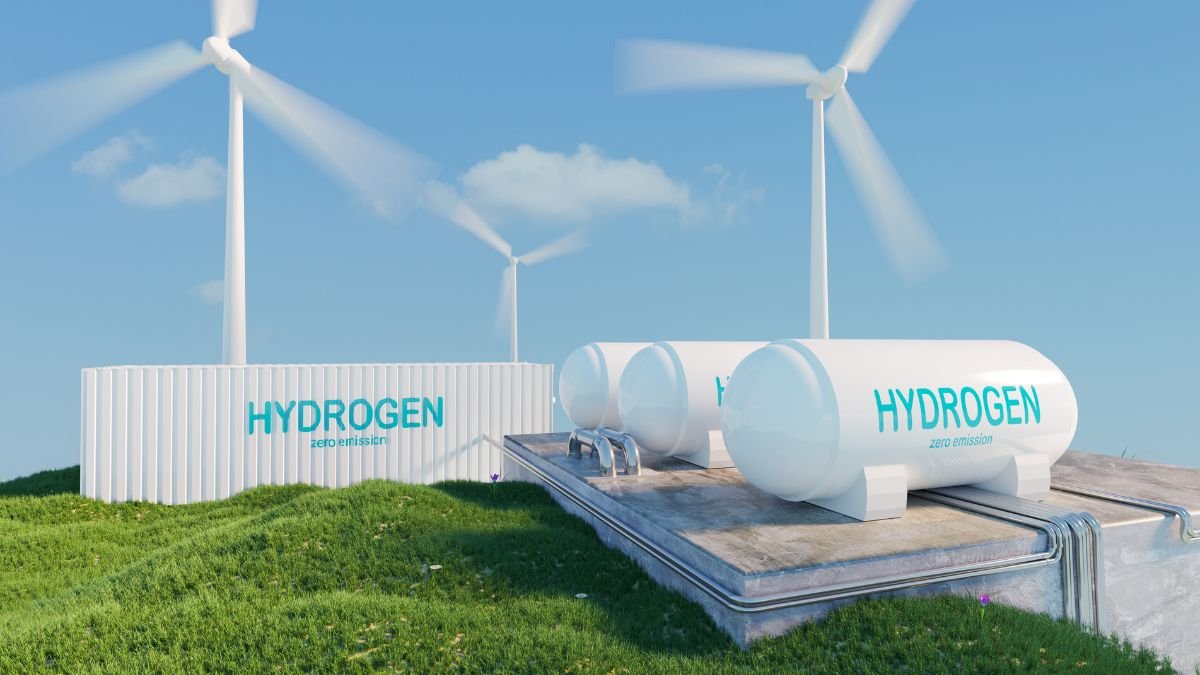
As the world confronts the accelerating impacts of climate change, reducing global carbon emissions has become one of the most urgent challenges of our time. Rising temperatures, extreme weather events, and environmental degradation are clear signals that traditional energy systems can no longer sustain future growth. In this context, hydrogen has emerged as a powerful tool in the global effort to cut carbon emissions. Often described as a clean and versatile energy carrier, hydrogen offers unique solutions for sectors that are difficult to decarbonize using conventional renewable technologies alone. Understanding the role of hydrogen in reducing global carbon emissions reveals why it is increasingly central to climate strategies worldwide.
Understanding Hydrogen as a Clean Energy Carrier
Hydrogen is not a primary energy source but an energy carrier, meaning it stores and delivers energy produced from other sources. When hydrogen is used in fuel cells or burned for energy, the primary byproduct is water, not carbon dioxide. This makes hydrogen fundamentally different from fossil fuels, which release large amounts of greenhouse gases when consumed.
The environmental impact of hydrogen depends on how it is produced. Green hydrogen, created using renewable electricity through water electrolysis, produces no direct carbon emissions. Blue hydrogen, produced from natural gas with carbon capture technology, significantly reduces emissions compared to traditional methods. Even with these variations, hydrogen offers a pathway to dramatically lower emissions across multiple sectors of the global economy.
Hydrogen’s Role in the Global Energy Transition
The global energy transition involves shifting from fossil fuel-based systems to low-carbon and renewable alternatives. Hydrogen plays a critical role in this transition by complementing solar, wind, and other renewable energy sources. While renewables are essential, they are not always available when energy demand is high. Hydrogen solves this challenge by storing excess renewable energy and releasing it when needed.
By acting as a bridge between energy production and consumption, hydrogen increases the reliability of clean energy systems. This flexibility helps reduce reliance on coal, oil, and natural gas, which are major contributors to global carbon emissions. As more countries commit to net-zero targets, hydrogen is becoming a cornerstone of long-term decarbonization strategies.
Reducing Emissions in Power Generation
Electricity generation is one of the largest sources of global carbon emissions, especially in regions that still rely heavily on coal and gas-fired power plants. Hydrogen offers a cleaner alternative for generating electricity, either through hydrogen-fueled turbines or fuel cells. These systems can produce power with little to no carbon emissions, depending on the hydrogen source.
Hydrogen also supports renewable energy by providing long-term energy storage. Excess electricity generated during periods of high solar or wind output can be converted into hydrogen and stored. When renewable production drops, this hydrogen can be used to generate electricity, reducing the need for fossil fuel-based backup power. This capability significantly lowers emissions associated with power generation and grid stabilization.
Decarbonizing Transportation with Hydrogen
Transportation accounts for a substantial share of global carbon emissions, particularly from road vehicles, shipping, and aviation. Hydrogen-powered fuel cell vehicles produce zero tailpipe emissions, releasing only water vapor. This makes hydrogen an attractive alternative to gasoline and diesel, especially for reducing air pollution and greenhouse gas emissions.
Hydrogen is particularly valuable in heavy-duty transportation, where batteries may struggle with range and charging limitations. Trucks, buses, trains, ships, and even aircraft can benefit from hydrogen’s high energy density and fast refueling capabilities. By replacing fossil fuels in these sectors, hydrogen can significantly reduce carbon emissions while maintaining efficiency and performance.
Cutting Industrial Carbon Emissions
Heavy industry is one of the most challenging sectors to decarbonize due to its reliance on high-temperature processes and fossil fuels. Industries such as steel, cement, chemicals, and refining produce vast amounts of carbon dioxide. Hydrogen provides a viable solution by replacing carbon-intensive fuels in these processes.
For example, hydrogen can be used as a reducing agent in steel production, eliminating the need for coal and drastically cutting emissions. In chemical manufacturing, hydrogen enables cleaner production pathways for fertilizers and other essential materials. By integrating hydrogen into industrial operations, global carbon emissions can be reduced without sacrificing productivity or economic output.
Supporting Carbon Reduction in Energy-Intensive Sectors
Some sectors, often referred to as hard-to-abate industries, cannot easily transition to full electrification. Hydrogen offers a flexible alternative that can deliver clean energy where direct electricity use is impractical. These sectors include long-haul transportation, industrial heating, and large-scale energy storage.
Hydrogen’s adaptability allows it to be used in various forms, including compressed gas, liquid hydrogen, and hydrogen-based fuels. This versatility makes it possible to tailor solutions for specific applications, further expanding hydrogen’s role in reducing emissions across the global economy.
The Climate Impact of Green Hydrogen
Green hydrogen has the greatest potential to reduce global carbon emissions because it is produced entirely from renewable energy. As renewable power capacity increases, green hydrogen production can scale rapidly, replacing fossil fuels in multiple sectors simultaneously. This creates a multiplier effect, where emissions reductions in one sector support reductions in others.
The expansion of green hydrogen also encourages greater investment in renewable energy infrastructure. As demand for clean hydrogen grows, more solar and wind projects are developed, further lowering emissions. This positive feedback loop strengthens the overall impact of hydrogen on global carbon reduction efforts.
Economic and Policy Drivers of Hydrogen Adoption
Governments around the world are increasingly recognizing hydrogen’s role in achieving climate goals. National hydrogen strategies, subsidies, and research funding are accelerating the development and deployment of hydrogen technologies. These policies are designed to reduce costs, encourage innovation, and create markets for clean hydrogen.
From an economic perspective, hydrogen supports job creation and industrial growth while reducing emissions. Investment in hydrogen infrastructure, production facilities, and technology development stimulates economic activity and positions countries as leaders in the clean energy economy. These benefits make hydrogen an attractive solution for both environmental and economic objectives.
Challenges in Maximizing Hydrogen’s Climate Benefits
Despite its potential, hydrogen faces challenges that must be addressed to fully realize its role in reducing carbon emissions. Producing green hydrogen remains more expensive than fossil fuel-based alternatives, although costs are steadily declining. Infrastructure for hydrogen storage, transportation, and distribution also requires significant investment.
There are also concerns about ensuring that hydrogen production truly delivers emissions reductions. This requires careful regulation, transparent reporting, and a strong focus on low-carbon and renewable production methods. Overcoming these challenges is essential to ensure hydrogen contributes meaningfully to global climate targets.
The Future Role of Hydrogen in Carbon Reduction
Looking ahead, hydrogen is expected to play an increasingly important role in reducing global carbon emissions. As technology improves and costs fall, hydrogen will become more accessible and widely adopted. Its ability to integrate with renewable energy, decarbonize industry, and transform transportation makes it a key pillar of future energy systems.
International cooperation will further enhance hydrogen’s impact. Cross-border hydrogen trade, shared research initiatives, and coordinated climate policies can accelerate progress and amplify emissions reductions on a global scale. Hydrogen’s future lies not only in technological innovation but also in collaboration and long-term commitment.
Conclusion
The role of hydrogen in reducing global carbon emissions is both significant and expanding. By offering a clean, flexible, and scalable energy solution, hydrogen addresses some of the most difficult challenges in the fight against climate change. From power generation and transportation to industry and energy storage, hydrogen provides pathways to reduce emissions where other technologies fall short.
As the world moves toward a low-carbon future, hydrogen stands out as a vital component of sustainable energy systems. Its growing adoption reflects a global recognition that achieving meaningful emissions reductions requires diverse and innovative solutions. Hydrogen is not a single answer to climate change, but it is an essential part of the solution, helping to shape a cleaner, more resilient future for generations to come.
