
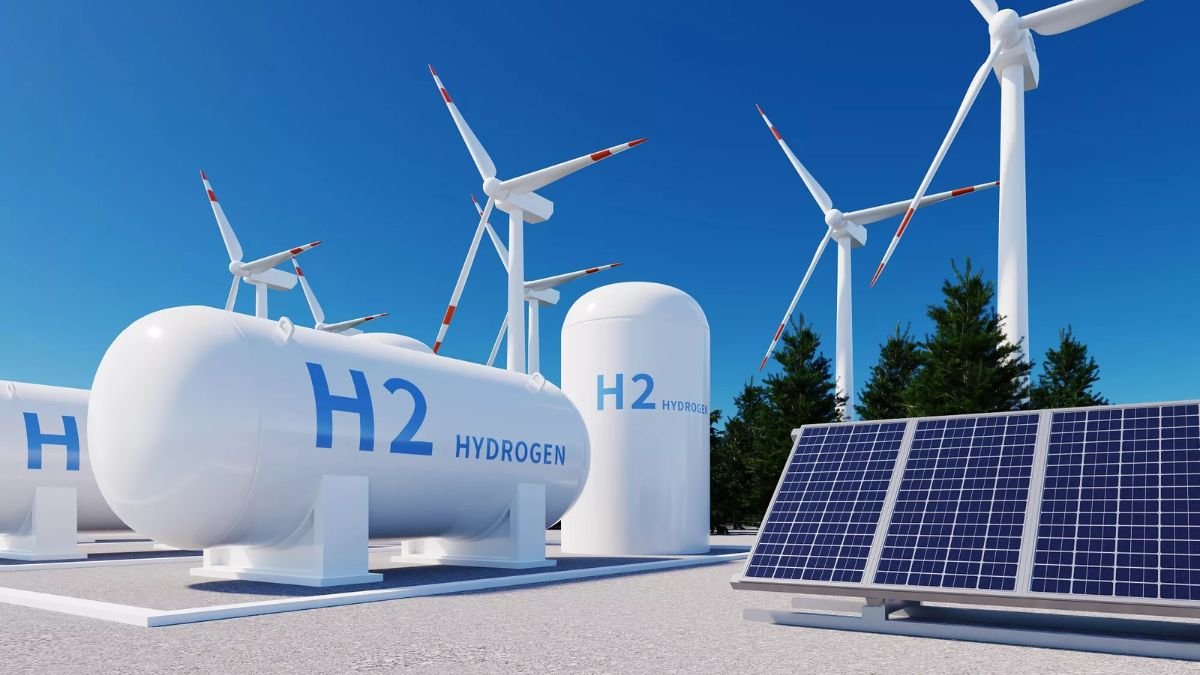
Introduction: The search for clean and sustainable energy has intensified worldwide. Climate change, the limited availability of fossil fuels, and rising energy demand have forced governments, industries, and consumers to consider new alternatives. In this context, hydrogen energy has emerged as a promising solution. It is considered a carbon-free fuel and can be used in various sectors such as transportation, industry, and power generation. However, the biggest challenge for hydrogen energy is its cost. The most frequently asked questions today are: how expensive is hydrogen, how are its prices determined, and what direction will its prices take in the future?
Understanding the Cost of Hydrogen: Not Just Production, but the Entire Value Chain
People often associate the cost of hydrogen solely with its production, but in reality, its price depends on the entire supply chain. This includes the cost of raw materials, production technology, electricity prices, storage, transportation, and end-use. The more complex the hydrogen production process, the higher the cost. Furthermore, significant price differences exist across countries due to variations in energy resources and technological infrastructure. This is why understanding and controlling costs is crucial for making hydrogen a globally competitive energy source.
Gray, Blue, and Green Hydrogen: Significant Cost Differences
Hydrogen is generally categorized into three types—gray, blue, and green. Gray hydrogen is produced from natural gas and currently has the lowest cost, but it results in significant carbon emissions. Blue hydrogen is also produced from natural gas, but it utilizes carbon capture technology, reducing emissions, although increasing the cost. Green hydrogen, produced through the electrolysis of water using renewable energy, is the most environmentally friendly, but its price is currently the highest. This cost difference remains the biggest obstacle to the large-scale adoption of green hydrogen.
Production Costs: The Role of Electricity and Technology
The biggest contributors to the cost of green hydrogen are the price of electricity and the electrolyzer technology. The electrolysis process requires a large amount of electricity, and if this electricity comes from solar or wind power, its cost directly impacts the price of hydrogen. Furthermore, electrolyzers are still expensive and have limited production capacity. As these devices are mass-produced and the technology improves, their prices are expected to fall. This decrease could make hydrogen more affordable in the future.
Storage and Transportation Costs
The cost of hydrogen is not limited to production; storage and transportation also contribute to its high price. Safely storing hydrogen requires either high-pressure tanks or keeping it in liquid form at extremely low temperatures. Both options are energy-intensive and expensive. Additionally, transporting hydrogen via pipelines, trucks, or ships requires specialized infrastructure. The costs of all these processes are ultimately added to the price paid by the consumer.
Impact of Government Policies and Subsidies
Government policies and incentives have a significant impact on hydrogen energy prices. Many countries are providing subsidies, tax breaks, and financial assistance to promote green hydrogen. This reduces initial costs and increases investor confidence. Furthermore, carbon taxes and emissions regulations can also make hydrogen more competitive compared to traditional fuels. However, if policies remain unstable or long-term support is lacking, price uncertainty may persist.
Future Price Trends: Will Hydrogen Become Cheaper?
Experts believe that hydrogen prices may gradually decrease in the coming years. The cost of renewable energy has already fallen significantly and is likely to become even cheaper in the future. Simultaneously, improvements in electrolyzer technology, mass production, and the development of global supply chains could reduce the overall cost of hydrogen. Some estimates suggest that the price of green hydrogen could become comparable to traditional fuels in many regions within the next decade, especially where solar and wind energy are abundant.
Regional Price Differences
Future hydrogen prices will not be uniform across all regions. In countries where renewable energy is inexpensive and land and resources are readily available, the cost of hydrogen production can be low. Conversely, in countries dependent on energy imports, prices may remain relatively high. This could pave the way for a global hydrogen trade, with some countries becoming major exporters and others importers. This international market could lead to either stable or volatile prices in the future.
Impact on Consumers and Industry
Changes in hydrogen prices will directly impact industries and consumers. If hydrogen becomes cheaper, its use could rapidly increase in sectors such as steel, chemicals, and transportation. This would lead to a reduction in carbon emissions and accelerate the energy transition. However, if prices remain high for an extended period, industries may continue to rely on traditional fuels, limiting the role of hydrogen.
Conclusion: Cost will determine the future of hydrogen
The future of hydrogen energy largely depends on its cost and price trends. While this technology is currently expensive, rapid technological advancements, policy support, and the increasing availability of renewable energy sources could make it more affordable in the future. If the costs of production, storage, and transportation can be managed effectively, hydrogen will not only become a viable clean energy option but also play a significant role in the global energy system.
