
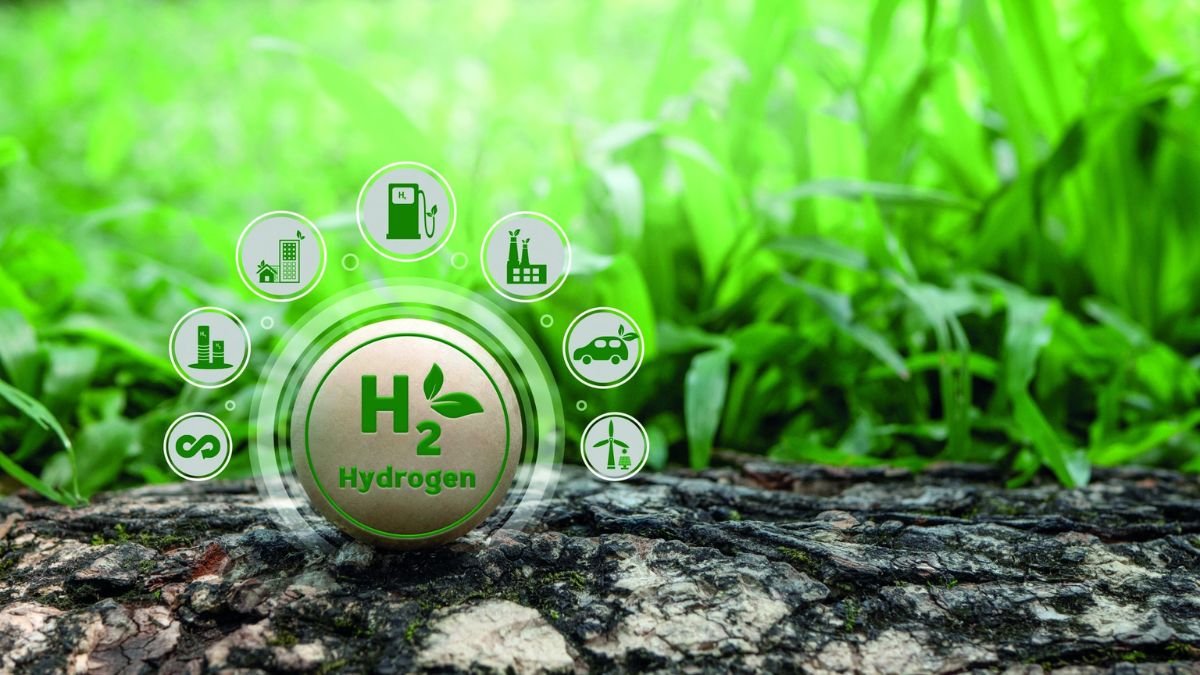
The global push toward clean energy has never been more urgent. Climate change, rising energy demand, and the limits of fossil fuels are forcing governments, industries, and communities to rethink how power is produced and consumed. Among the emerging solutions, green hydrogen stands out as a transformative force capable of reshaping the clean energy future. Unlike traditional fuels, green hydrogen offers the promise of zero-carbon energy that can power homes, transportation, and heavy industries while protecting the planet. Understanding how green hydrogen works and why it matters today reveals its growing role in the worldwide energy transition.
Understanding Green Hydrogen
Green hydrogen is a form of hydrogen produced using renewable energy sources such as solar, wind, or hydropower. The process typically involves electrolysis, where electricity splits water into hydrogen and oxygen. When renewable electricity is used, the entire process produces no carbon emissions. This distinguishes green hydrogen from grey or blue hydrogen, which rely on fossil fuels and still generate carbon pollution.
What makes green hydrogen particularly important is its versatility. Hydrogen itself is an energy carrier rather than a direct energy source, meaning it can store and transport energy for later use. This allows green hydrogen to act as a bridge between renewable energy generation and energy consumption across multiple sectors. As renewable energy capacity expands globally, green hydrogen provides a way to capture excess power and use it efficiently.
Why Green Hydrogen Is Essential for Clean Energy
Green hydrogen matters because it addresses some of the biggest challenges facing renewable energy. Solar and wind power are clean but intermittent, producing electricity only when the sun shines or the wind blows. Green hydrogen solves this problem by storing surplus renewable energy and releasing it when demand rises. This capability strengthens energy systems and ensures a more reliable supply of clean power.
In addition, green hydrogen can replace fossil fuels in areas where direct electrification is difficult. Heavy industries, long-distance transportation, and high-temperature manufacturing processes often require energy densities that batteries alone cannot provide. Green hydrogen offers a clean alternative that can meet these demands without increasing emissions, making it essential for achieving long-term climate goals.
Green Hydrogen and Renewable Energy Integration
One of the most powerful impacts of green hydrogen is its ability to integrate renewable energy into existing systems. As renewable installations grow, they sometimes produce more electricity than the grid can immediately use. Rather than wasting this energy, it can be converted into green hydrogen and stored for later use. This creates a flexible energy system that maximizes the value of renewable resources.
By acting as an energy storage solution, green hydrogen supports grid stability and reduces reliance on fossil fuel-based backup power. It also allows renewable energy to be transported over long distances, reaching regions that lack sufficient solar or wind resources. This interconnected approach strengthens global clean energy networks and accelerates the transition to low-carbon power.
Transforming Transportation with Green Hydrogen
Transportation is one of the largest sources of global carbon emissions, and green hydrogen offers a promising solution. Hydrogen fuel cell vehicles generate electricity on board by combining hydrogen with oxygen, producing only water vapor as a byproduct. This makes them a clean alternative to gasoline and diesel vehicles.
Green hydrogen is especially valuable for heavy-duty transportation such as trucks, buses, trains, ships, and even aviation. These sectors require high energy output and fast refueling, both of which hydrogen can provide. Unlike battery-powered vehicles that may face limitations in range or charging time, hydrogen-powered vehicles can refuel quickly and travel long distances. As green hydrogen infrastructure expands, it has the potential to significantly reduce emissions across the transportation sector.
Decarbonizing Industry Through Green Hydrogen
Industrial processes account for a significant portion of global emissions, particularly in sectors like steel, cement, chemicals, and refining. These industries often rely on coal, oil, or natural gas to generate the high temperatures needed for production. Green hydrogen provides a clean alternative that can replace fossil fuels in these energy-intensive processes.
By using green hydrogen, industries can drastically reduce their carbon footprint without sacrificing efficiency or output. For example, hydrogen-based steel production eliminates the need for coal, cutting emissions while maintaining product quality. As governments introduce stricter climate regulations, green hydrogen is becoming a critical tool for industries seeking to remain competitive and sustainable in a low-carbon economy.
Economic Growth and Job Creation
The rise of green hydrogen is not only an environmental opportunity but also an economic one. Developing green hydrogen infrastructure requires investment in renewable energy, electrolysis technology, storage systems, and transportation networks. This growth is creating new industries and generating jobs across engineering, manufacturing, construction, and research sectors.
Countries that invest early in green hydrogen are positioning themselves as leaders in the clean energy economy. By supporting innovation and building supply chains, governments can attract investment, stimulate economic development, and enhance energy security. Green hydrogen has the potential to become a major driver of sustainable economic growth in the coming decades.
Challenges Facing Green Hydrogen Adoption
Despite its promise, green hydrogen faces challenges that must be addressed to unlock its full potential. One of the primary obstacles is cost. Producing green hydrogen is currently more expensive than producing hydrogen from fossil fuels. However, as renewable energy costs continue to fall and technology improves, green hydrogen is becoming increasingly competitive.
Infrastructure development is another challenge. Transporting and storing hydrogen requires specialized systems, and building this infrastructure on a large scale takes time and coordination. Safety concerns also exist, but ongoing research and strict safety standards are helping to ensure hydrogen can be handled securely. With continued investment and policy support, these challenges are expected to diminish over time.
Global Momentum Behind Green Hydrogen
Around the world, governments are recognizing the importance of green hydrogen in meeting climate targets. Many countries have released national hydrogen strategies outlining plans for investment, research, and deployment. International collaboration is also growing, with partnerships focused on technology development and cross-border hydrogen trade.
This global momentum reflects a shared understanding that green hydrogen is essential for achieving net-zero emissions. As policies align and markets mature, green hydrogen is expected to move from pilot projects to large-scale commercial use. The increasing commitment from both public and private sectors signals strong confidence in hydrogen’s role in the clean energy future.
The Future of Clean Energy with Green Hydrogen
Looking ahead, green hydrogen is set to play a central role in the world’s clean energy systems. Its ability to store renewable energy, decarbonize hard-to-electrify sectors, and support economic growth makes it uniquely valuable. As technology advances and costs decline, green hydrogen will become more accessible and widely adopted.
In the long term, green hydrogen could help create a fully integrated energy system where renewable power, storage, transportation, and industry work together seamlessly. This transformation will not happen overnight, but the foundations are already being laid. Green hydrogen is no longer just a future concept; it is an active and growing force shaping how the world produces and uses energy.
Conclusion
Green hydrogen is changing the clean energy future by offering a flexible, zero-carbon solution to some of the most complex energy challenges. From supporting renewable energy integration to transforming transportation and industry, its impact is far-reaching. While challenges remain, the rapid pace of innovation and global investment suggests that green hydrogen will play a defining role in the transition to sustainable energy.
As the world moves toward a cleaner and more resilient energy system, green hydrogen stands out as a key enabler of progress. By embracing this technology today, societies can build a future that balances energy demand with environmental responsibility. Green hydrogen is not just shaping the clean energy future—it is helping to secure it.
